
Meaningful engagements at SEAB
Find out more information below.
Last updated on 28 June 2026
SEAB's dedication to meaningful engagement knows no boundaries. Beyond its partnership with the local teaching community, SEAB welcomed distinguished visitors from Bhutan and closer to home in May 2026, exchanging fresh perspectives on education and assessment — a reminder that the pursuit of assessment excellence is a shared endeavour that transcends borders.
Engagement sessions with educators
SEAB wrapped up our engagement sessions for the first half of 2026 with a series of meaningful exchanges involving 81 teacher-participants from the National Institute of Education’s (NIE) Teacher Leaders Programme (TLP) and Management and Leadership in Schools (MLS) programme as well as the Academy of Singapore Teachers’ Teacher Work Attachment Plus (TWA+) programme. These sessions are part of SEAB's ongoing commitment to engage regularly with teachers as key stakeholders, fostering open dialogue and mutual understanding between the assessment body and the teaching community.
A highlight of this round was the guided tours of SEAB's Heritage Gallery and examination operation facilities. Participants were fascinated to discover the rich history of national examinations in Singapore, including a newly unveiled Digital Innovations section, as well as the behind-the-scenes work involved in script processing and storage. Representatives from the Assessment Planning and Development Division also presented on "Making Assessment Relevant, Engaging and Authentic", exploring how assessments can be better aligned with learners' needs and real-world applications.
The conversations that followed were wide-ranging and lively, covering topics such as the upcoming Secondary Education Certificate (SEC) in 2027, the role of Artificial Intelligence in assessment and marking, and quality assurance processes that underpin examination validity. The diverse mix of educators spanning primary to junior college levels brought rich perspectives from their own classroom experiences.
Feedback was overwhelmingly positive. 91.5% of participants appreciated the transparency and candour of SEAB's management team, and several noted a shift in perception, from viewing SEAB as a distant organisation to recognising it as responsive and student-centred. For SEAB, these sessions are equally valuable, offering honest feedback and fresh insights that help the organisation better understand the challenges educators face. We are excited for the next run of these sessions planned for the second half of the year.
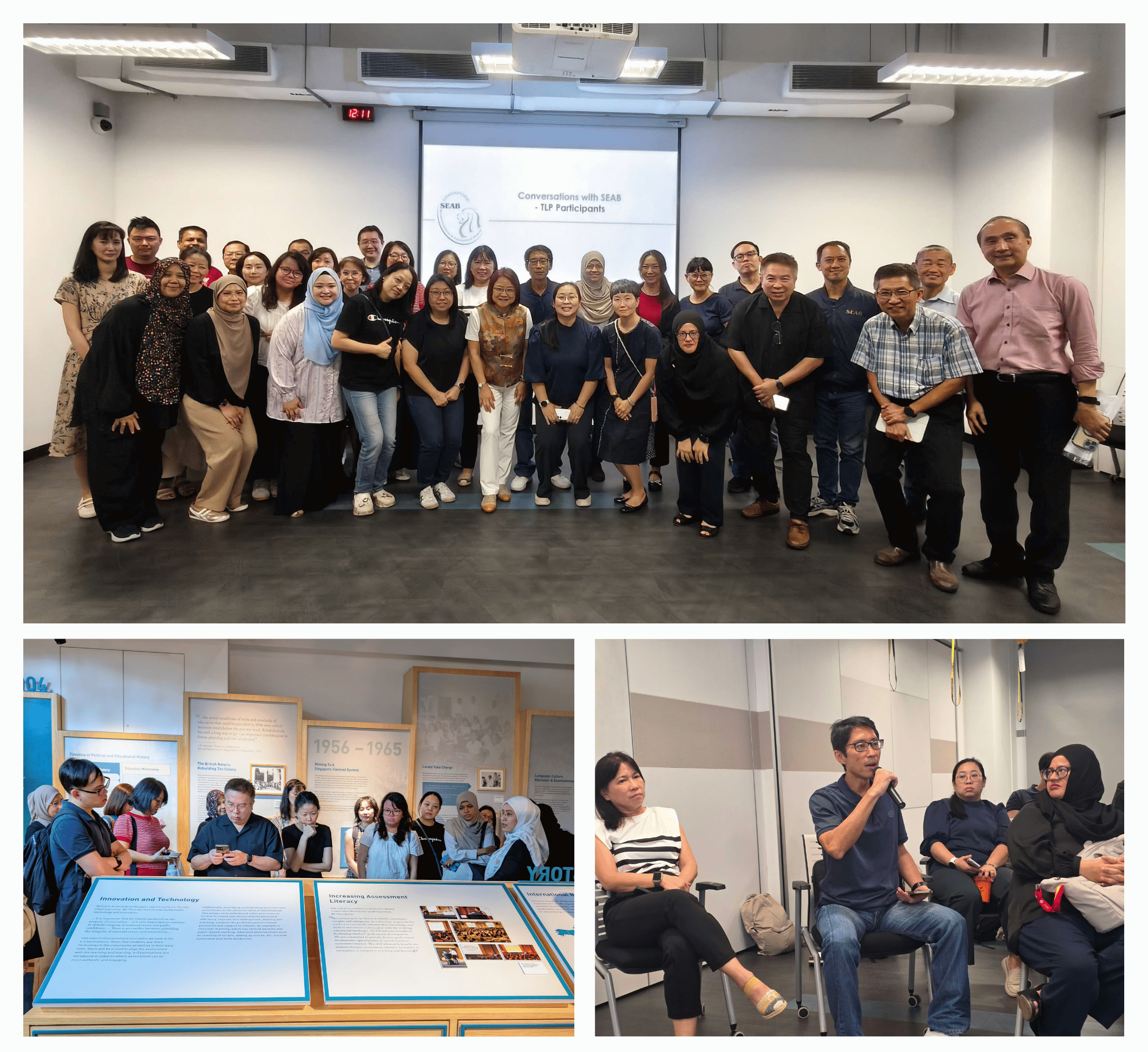
Engaged TLP participants at the Conversations with SEAB session on 24 February 2026
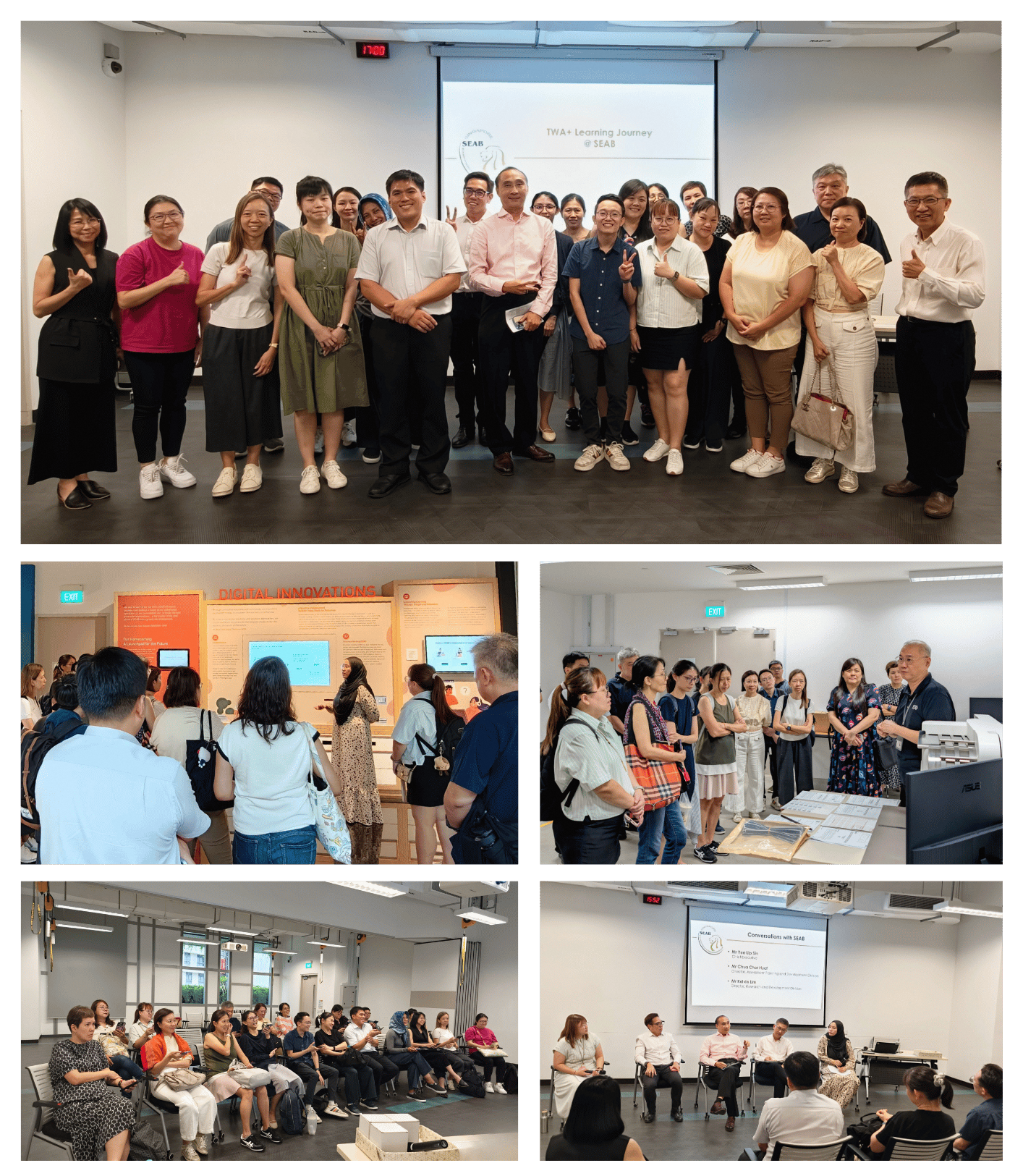
Our doors opened once again for TWA+ Learning Journey participants on 15 April 2026
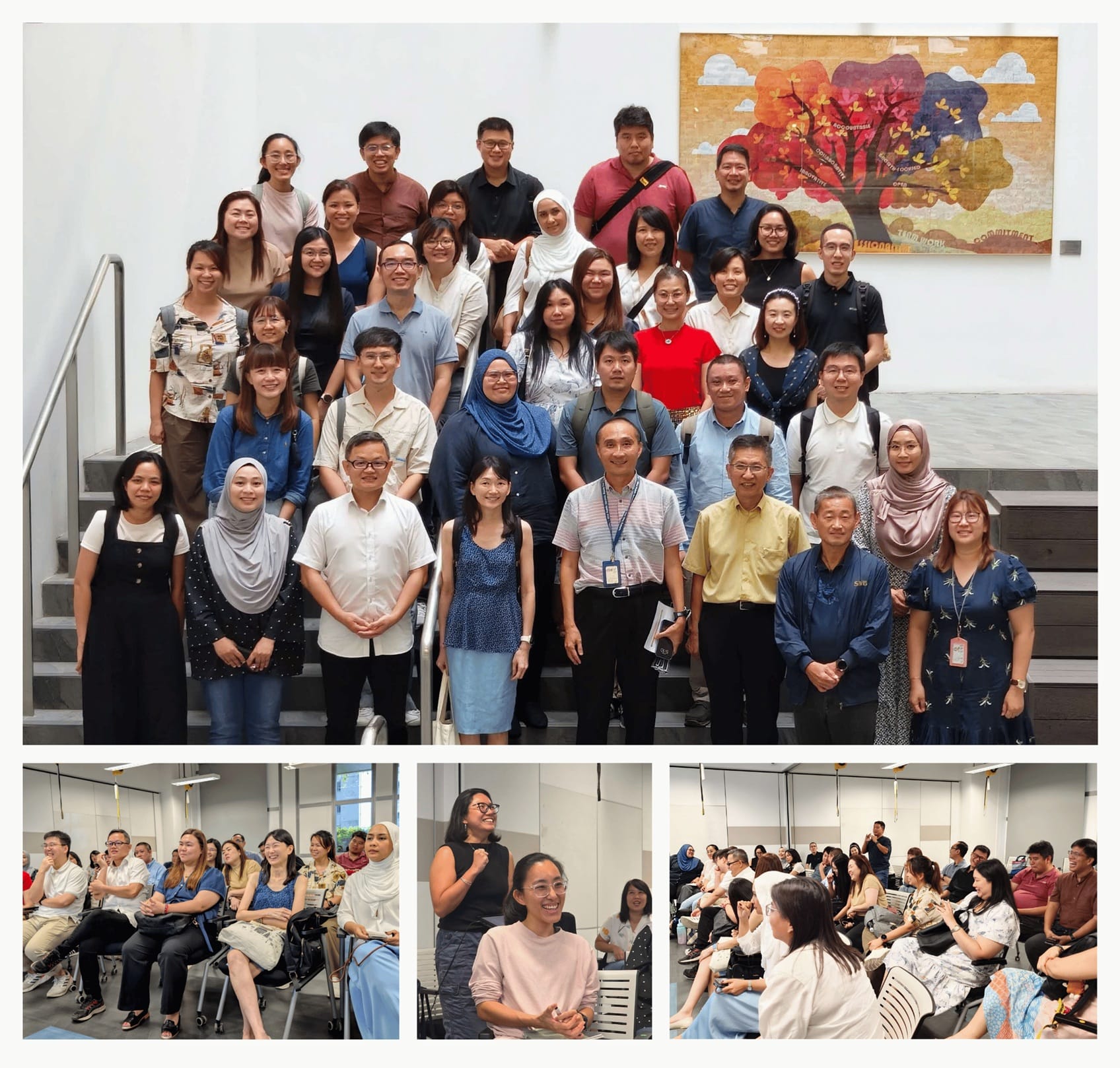
Enthusiastic MLS participants at the Conversations with SEAB session on 17 April 2026
Feedback from the coordinator, on behalf of TLP participants
On behalf of the 2026 batch of TLP1 participants, I would like to extend our sincere gratitude to SEAB for hosting us. The opportunity for an extensive perspective into your operations and witnessing the innovation and rigor that goes into assessment standards is greatly appreciated.
The tour of SEAB’s Heritage Gallery provided a rare glimpse into SEAB's foundational role in Singapore’s education story. The experience highlighted the evolution of assessment, shaped by a valued partnership with Cambridge. Participants appreciated how these historical insights serve as a bridge to the future, complementing the later sharing on assessment.
The sharing on Making Assessment Relevant, Engaging, and Authentic provided valuable insights into how assessment was consciously kept in alignment with the curriculum’s connections to real-world contexts. Samples from e-Examinations showcased how tasks paralleled working environments in the current digital age. From composing soundtracks for silent videos to navigating complex digital simulations, these examples proved that assessment can be as dynamic as the real world. It was an inspiring showcase on fostering creativity and critical thinking through modern, tech-driven evaluation.
One of the major highlights for TLP participants was the dialogue session with SEAB’s senior management. Many thanks to Mr Yue, Mr Pek and Mr Pang for making the session a priority as it was a unique chance to seek clarification on hot button issues. Questions ranged from the nuances of results grading, the transition to Singapore-Cambridge Secondary Education Certificate and the logistics involved in the conduct of National Examinations. The openness of the discussion was particularly appreciated as the underlying philosophies behind policy decisions were shared to deepen our understanding. Participants left with a reinforced sense of shared purpose between SEAB and the teaching fraternity.
A huge thank you to Ms. Tan, Ms. Wong, and Ms. Syahirah for organizing such a seamless and insightful experience!
Feedback from the coordinator, on behalf of MLS participants
Thank you, and SEAB, for the fruitful session on 17 April 2026. We deeply appreciated the various segments of the visit, from the introduction at the Heritage Gallery to the STRONG ROOM and the automated scanning processes that made OSM possible, as well as the SEAB senior management’s candid and open sharing during the Q&A segment.
For me and some of us, it was our first time stepping inside SEAB, and the visit certainly brought the distance closer emotionally, as SEAB is such a key part of our education system and plays a pivotal role in our students’ educational journey. The visit also allowed us to better understand the inner workings of the annual national examination processes that many of us have been involved in, from candidate registration all the way to marking, and even the post-examination studies involving PSLE and Preliminary Examination comparison reports.
It was reassuring and confidence-strengthening to learn during the visit that SEAB has in place the utmost rigorous processes to ensure that every aspect of the national examinations is well taken care of. At the same time, we are excited by the AI-assisted automated marking system that SEAB is researching, and we hope it will become market-viable for school use in the near future. It is indeed very promising.
Bhutan's Ministry of Education and Skills Development
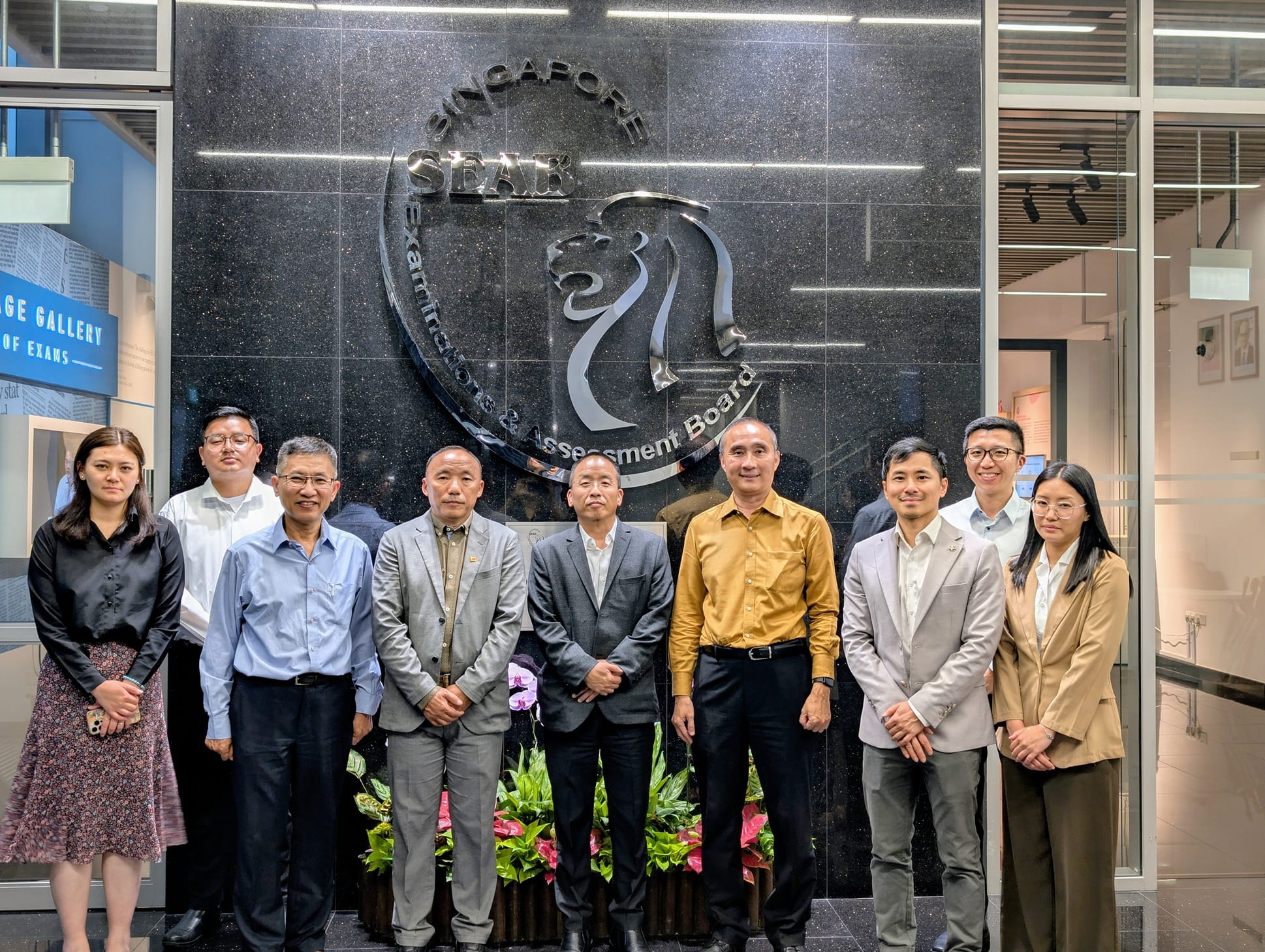
Bhutan Ministry of Education and Skills Development (MoESD) with SEAB management and staff
On 5 May 2026, SEAB welcomed a delegation from the Bhutan Ministry of Education and Skills Development (MoESD). The delegation, led by Dasho Tshewang Chophel Dorji, Secretary of the Ministry, comprised 6 MoESD officers and a representative from Cambridge University Press and Assessment. The visit was a key agenda item as part of Bhutan's educational reforms, which sit within the broader Gelephu Mindfulness City (GMC) initiative — a national development programme led by His Majesty King Jigme Khesar Namgyel Wangchuck focused on economic, technological and sustainable growth. The delegation was keen to learn from Singapore's experience in building local assessment capacity. The visit to SEAB reflected the growing interest of Bhutan's education leaders in Singapore's assessment practices and offered a valuable opportunity for both sides to exchange ideas on how assessments can drive meaningful learning outcomes.
The delegation toured SEAB's Digitisation Room before listening to a series of presentations on SEAB's key digitalisation initiatives including e-Examinations, onscreen marking, and adaptive testing. The discussions that followed were lively and substantive, touching on SEAB's assessment reform journey, our longstanding partnership with Cambridge, and the possibility of future knowledge-sharing visits between SEAB and the Bhutan Council for School Examinations and Assessment.
Bhutan's MoESD shares a kindred mission with SEAB — to equip learners with the knowledge, skills, and values needed to thrive in the 21st century. It was heartening to see how much common ground exists between our two systems, and we look forward to nurturing this budding relationship.
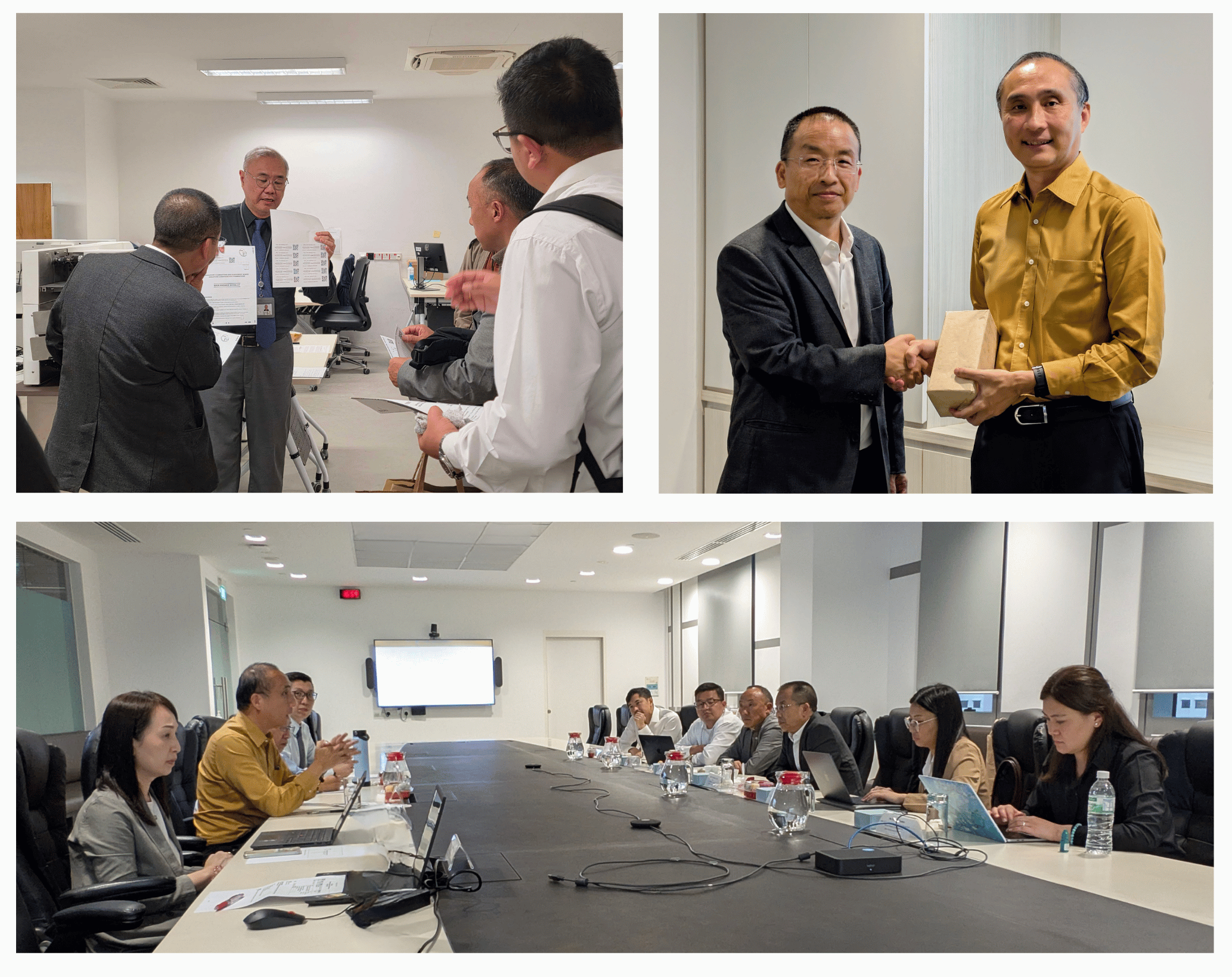
SEAB and Bhutan delegates shared insightful perspectives on assessment innovations during the visit.
Temasek Polytechnic's Learning Academy
On 14 May 2026, SEAB hosted pedagogy leaders from Temasek Polytechnic's (TP) Learning Academy, representing schools and departments from across the polytechnic. The visit was part of TP's commitment to deepening its understanding of national-level assessment practices and how these might inform teaching and learning within the polytechnic context.
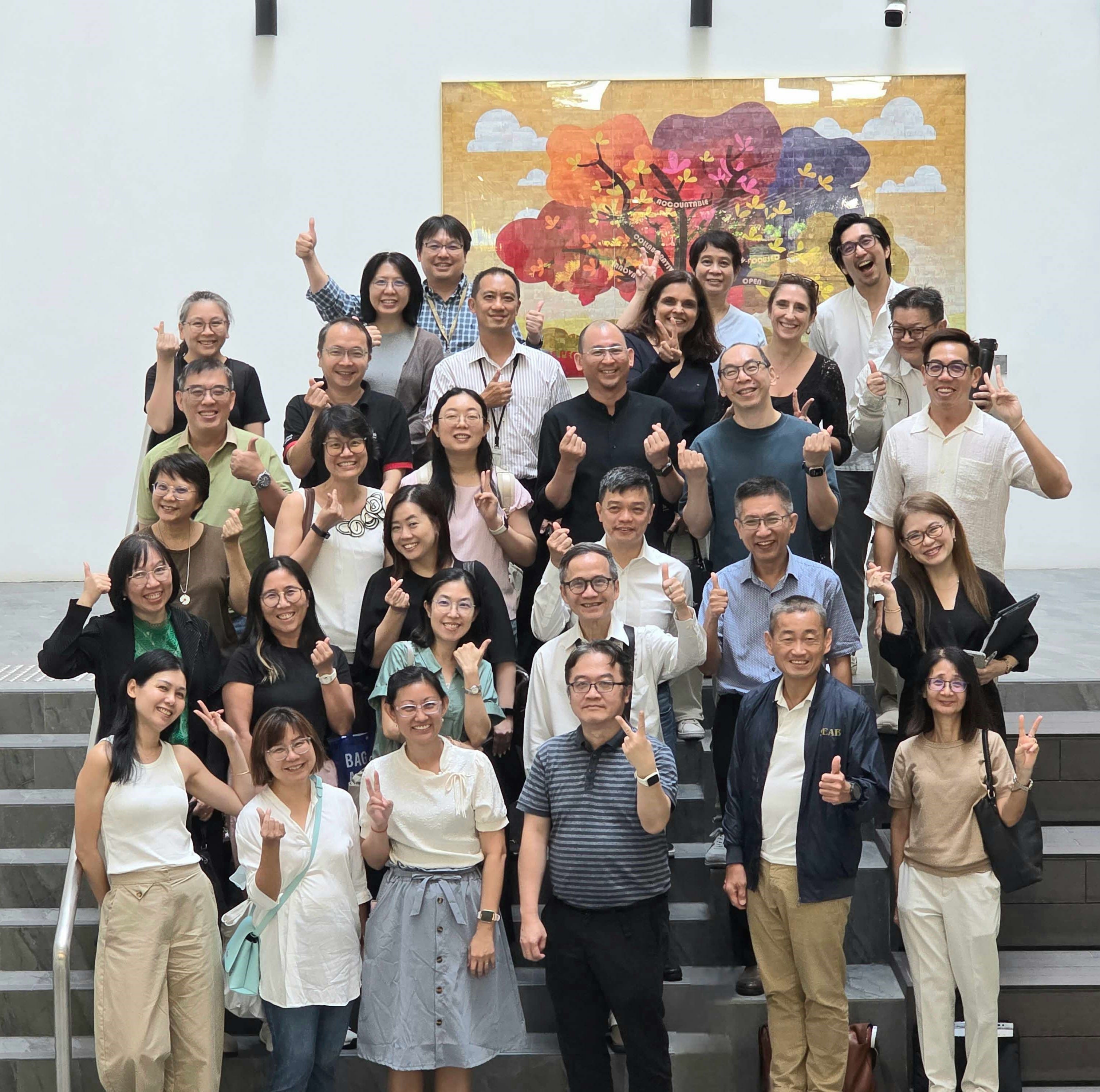
All smiles from TP’s pedagogy leaders with SEAB management and staff
The group went on a tour of SEAB's Heritage Gallery, Strong Room, and Digitisation Room, before settling in for presentations covering the planning and design of national examinations, standards-referenced assessment, key digitalisation initiatives, and the shift towards alternative assessments. A candid and rich discussion session rounded off the programme, giving TP's educators the chance to ask questions and share their own experiences. The visit provided TP educators with a valuable first-hand understanding of examination operations and design.
TP's Learning Academy plays a vital role in developing staff capabilities and advancing pedagogical innovation across the polytechnic. This visit was a timely reminder that the conversation around assessment does not stop at the school gate. It extends into higher and continuing education, and benefits enormously from cross-institutional dialogue.
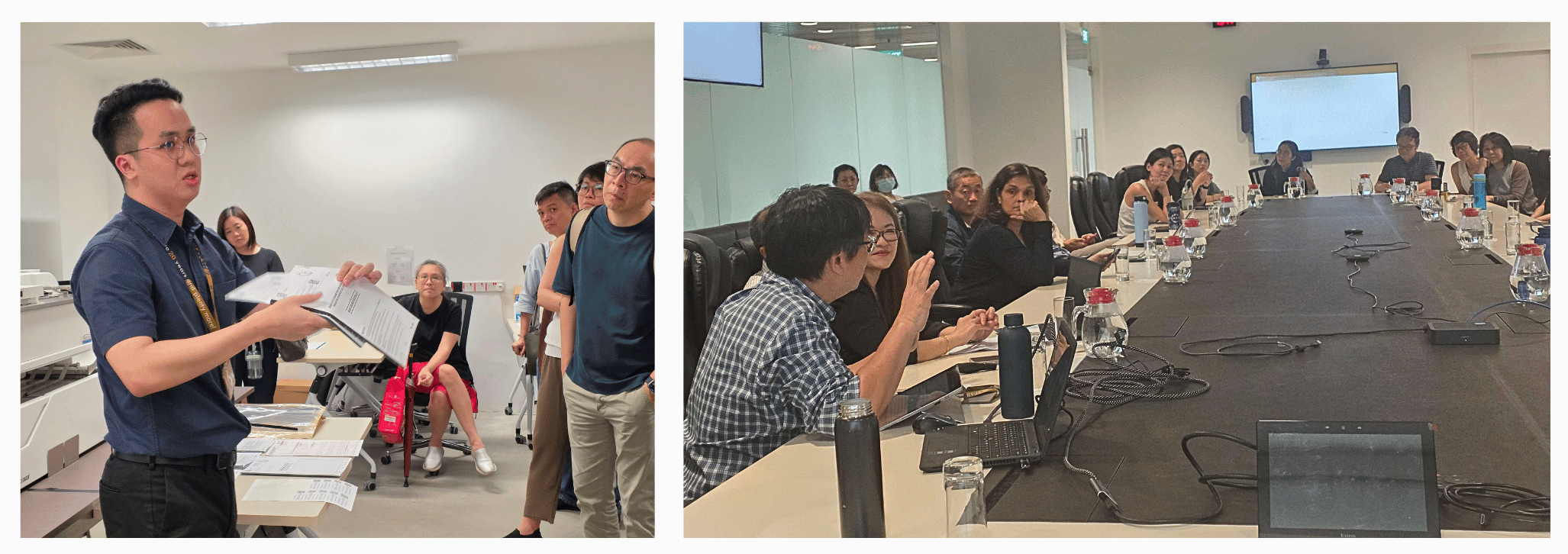
TP educators get a first-hand look at SEAB's examination operations and engaged in a lively exchange with SEAB staff on all things assessment.
Visits like these remind us that assessment is a shared endeavour. Whether with international partners or local institutions, SEAB remains committed to learning, collaborating, and growing together in service of better outcomes for all learners.
MOE Heritage Centre
On 25 May 2026, SEAB welcomed a team from the Ministry of Education (MOE) Heritage Centre for a visit to our Heritage Gallery. The visit was part of MOE's early planning efforts for its new Heritage Centre, which is set to relocate from its current home in Balestier to the new Goh Keng Swee Centre for Education at North Buona Vista, projected to be operational in 2029.
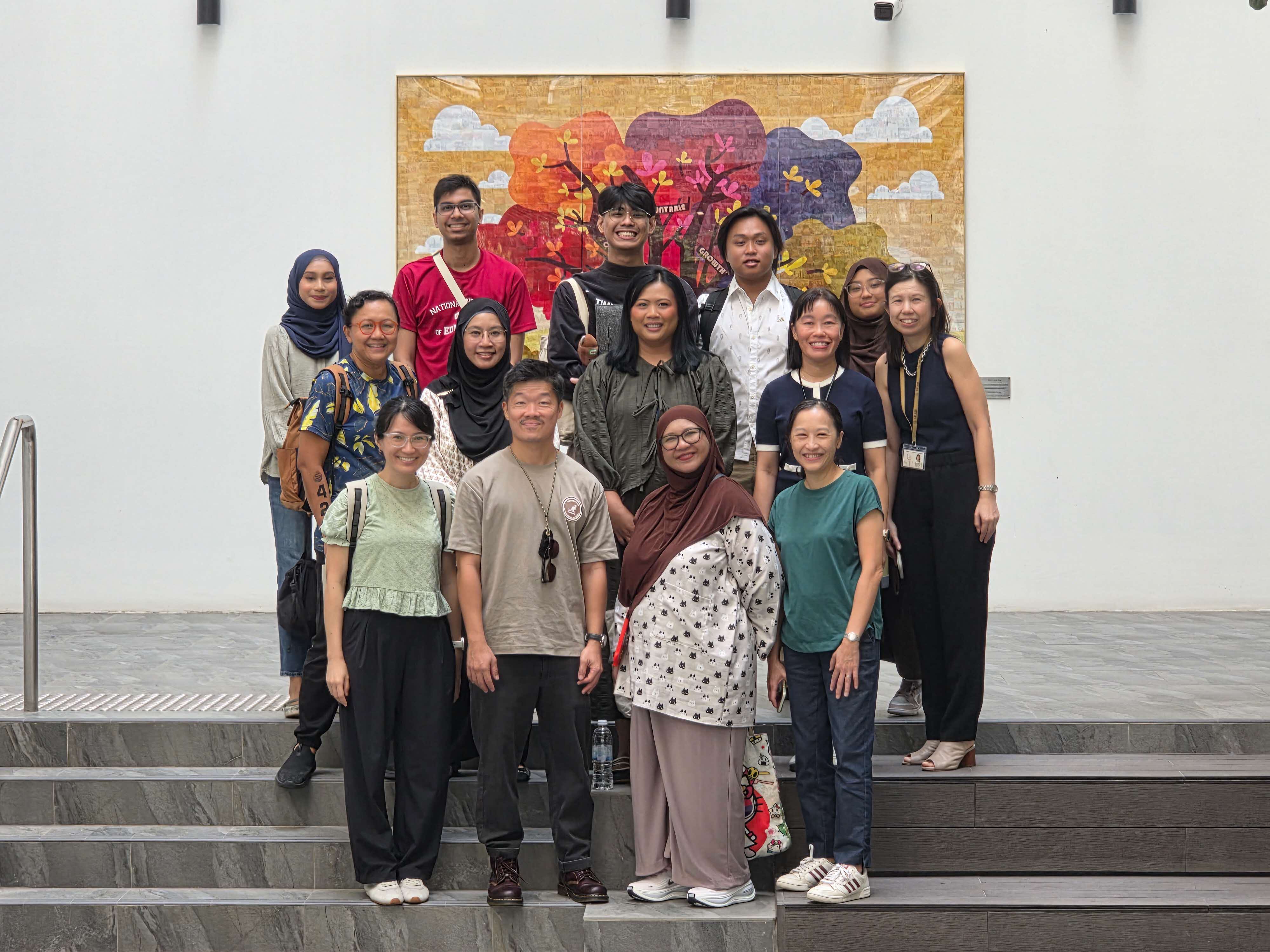
Team from MOE Heritage Centre with SEAB staff
As MOE begins envisioning the new space, one that will chronicle the history of Singapore's education system and honour the legacy of Dr Goh Keng Swee, the team sought inspiration from organisations with experience in building and running heritage galleries. SEAB was glad to be part of that journey.
The visit began with a guided tour of the SEAB Heritage Gallery, giving the MOE team a first-hand look at how the gallery serves as a key touchpoint in our stakeholder engagement efforts. More than just a display of artefacts and milestones, the gallery offers visitors a meaningful and immersive way to connect with SEAB's history and the work we do in supporting Singapore's education landscape.
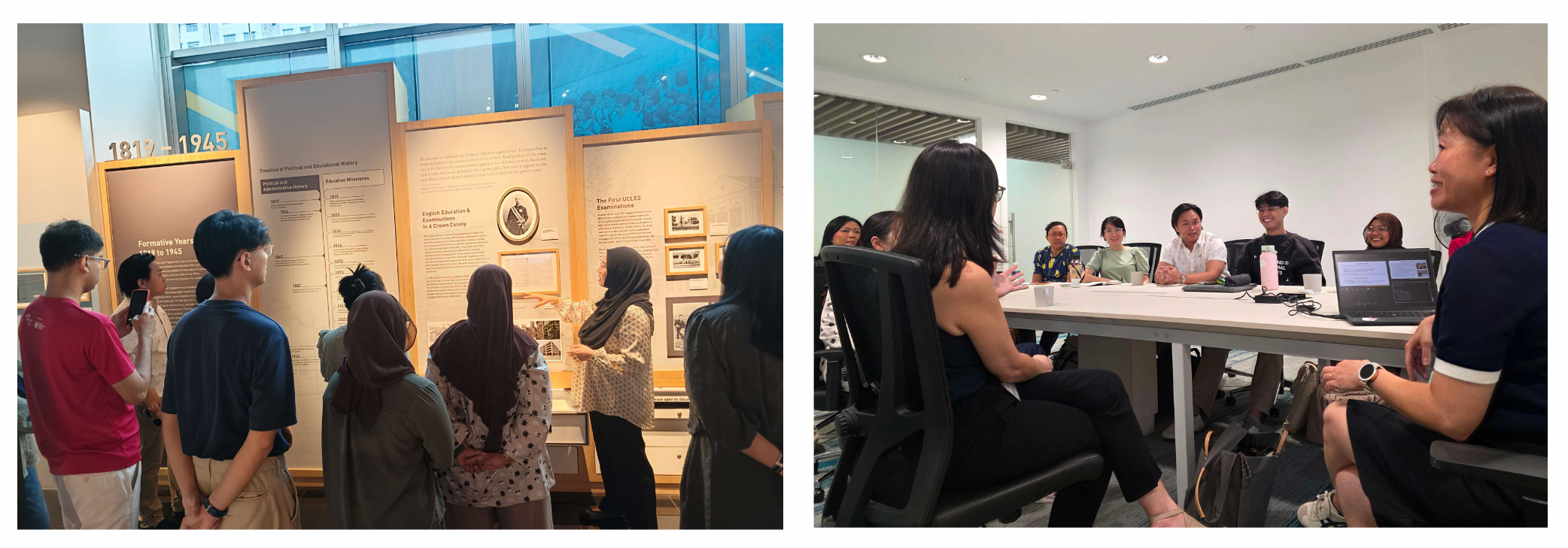
Candid conversations and meaningful insights
This was followed by a presentation in which SEAB shared our experience putting the gallery together from curation and exhibition design, to how we involve staff in the journey and to the practicalities of working with vendors. We also spoke candidly about the opportunities and challenges that come with running a heritage gallery, in the hope that these insights would be useful as MOE embarks on its own exciting chapter.
We were heartened with this opportunity to connect with the MOE Heritage Centre team, opening a door for future partnership and collaboration.
MOE Communications and Engagement Group
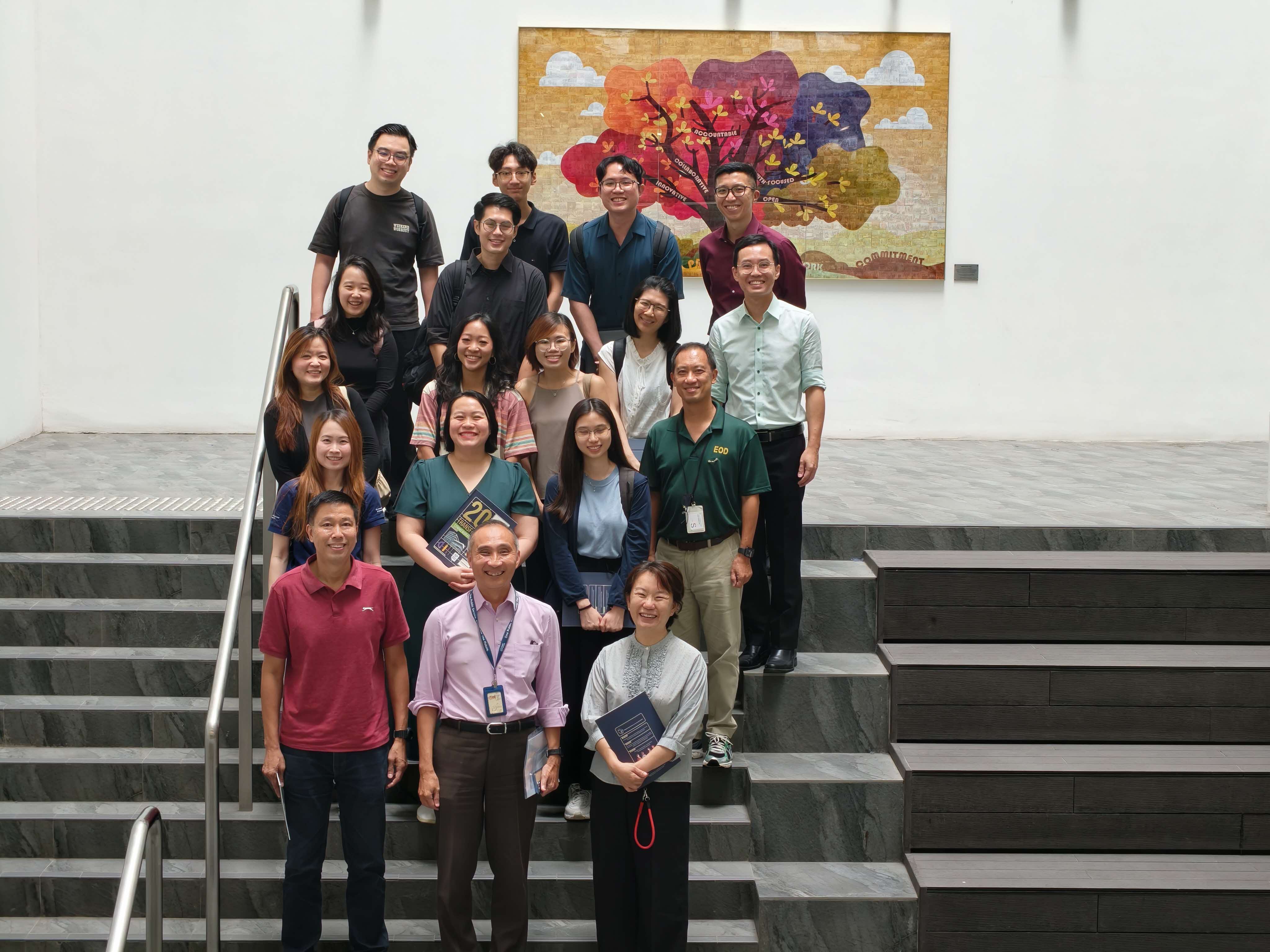
Group photo of MOE CEG officers with SEAB management
SEAB recently hosted its inaugural engagement with MOE's Communications and Engagement Group (CEG) on 29 May 2026, bringing together colleagues who, in many cases, had collaborated closely for years but were meeting face-to-face for the very first time at SEAB’s premises. For many of us, it was a long-awaited and genuinely warm reunion of familiar voices finally matched to faces.
The visit kicked off with a tour of SEAB's Heritage Gallery and examination operations facilities. The experience gave CEG colleagues a tangible, on-the-ground appreciation of our work that went beyond what they had already come to know through their interactions with us. This was followed by a sharing session covering the breadth of what SEAB does: our examination processes, digitalisation innovations, the implementation of the Secondary Education Certificate, and the strategic priorities that will shape our work in the years ahead. It was an opportunity to give our CEG counterparts a fuller picture of the work of SEAB. The session rounded off with a lively exchange that touched on a wide range of topics. CEG colleagues raised thoughtful questions about how SEAB ensures security in e-Examinations and onscreen marking, the e-Examinations journey and its future plan, and how we calibrate our examination standards to keep our certifications relevant in a changing world.
Many of them appreciated the opportunity to see the scale and intricacy of our operations up close, adding a new dimension to their understanding of our processes. For ourselves, the discussion was a reminder of how much richer our work becomes when we take the time to engage the people who are our partners in telling our story.