Building Connections Through Stakeholder Engagement
Connecting with international partners and local educators
Last updated on 3 November 2026
SEAB regularly engages educators, partners and institutions in Singapore and overseas to exchange knowledge, strengthen professional connections and learn from one another.
Our recent engagements have ranged from sharing assessment practices with international partners to dialogues and learning journeys with educators and school leaders. Together, these exchanges offered opportunities to explore developments in assessment, technology and the future of learning, while strengthening partnerships across the education community.
Knowledge Sharing on Scanning Practices with Bhutan
The Bhutan Council for School Examinations and Assessment (BCSEA) had reached out SEAB to learn more about our experience with technology-enabled assessment, particularly the use of Optical Mark Recognition (OMR) in Multiple Choice Questions.
A virtual knowledge-sharing session was held on 29 June 2026, bringing together representatives from BCSEA and SEAB to exchange perspectives and practices on OMR-based processing.
SEAB shared an overview of the use OMR in our examination operations, including key considerations for implementing scanning at scale and maintaining accuracy, consistency and data integrity. The exchange also provided an opportunity to discuss practical considerations as BCSEA develops its own approach to OMR-based processing for their examinations.
BCSEA expressed its appreciation for the exchange and its interest in continuing to deepen collaboration with SEAB.

Virtual meeting between BCSEA and SEAB representatives on 29 June 2026
Singapore-Cambridge Consultative Meeting: Conversations on the Future of Learning
The Singapore-Cambridge Consultative Meeting (CCM) was held at SEAB in June 2026, bringing together representatives from MOE, SEAB and Cambridge to exchange perspectives on developments in education and assessment. The programme combined professional discussions with learning journeys that encouraged delegates to consider how learning and assessment can continue to evolve for the future.
Meaningful Dialogue on Learning and Assessment
Discussions at this year’s CCM explored themes including student agency and self-directed learning, the assessment of 21st Century Competencies, and the evolving role of artificial intelligence in education. These themes provided a useful platform for participants to exchange perspectives on questions that are increasingly important to educators and assessment professionals.

SEAB and Cambridge representatives engaged in discussions on important issues surrounding education and future of learning.
Inspirational Learning Journeys
As part of the programme, delegates visited Science Centre Singapore and the Singapore Institute of Technology’s (SIT) Punggol Campus.
At Science Centre, delegates explored The One Ocean exhibition, which offered opportunities to explore biodiversity, conservation and sustainability. Delegates also experienced a range of immersive and interactive exhibits such as virtual reality, omni-theatre show and even a dancing robot! These interactive experiences demonstrated how curiosity and engagement can be fostered beyond the classroom.
The visit to SIT’s campus provided a glimpse of the institute’s applied learning approach and its partnerships with industry. The campus tour also showcased state-of-the-art facilities and thoughtfully designed learning environments that integrate the industries into the heart of the campus’ learning and research. These offered perspectives on how curriculum, learning environments and industry connections can work together to prepare learners for a changing world.
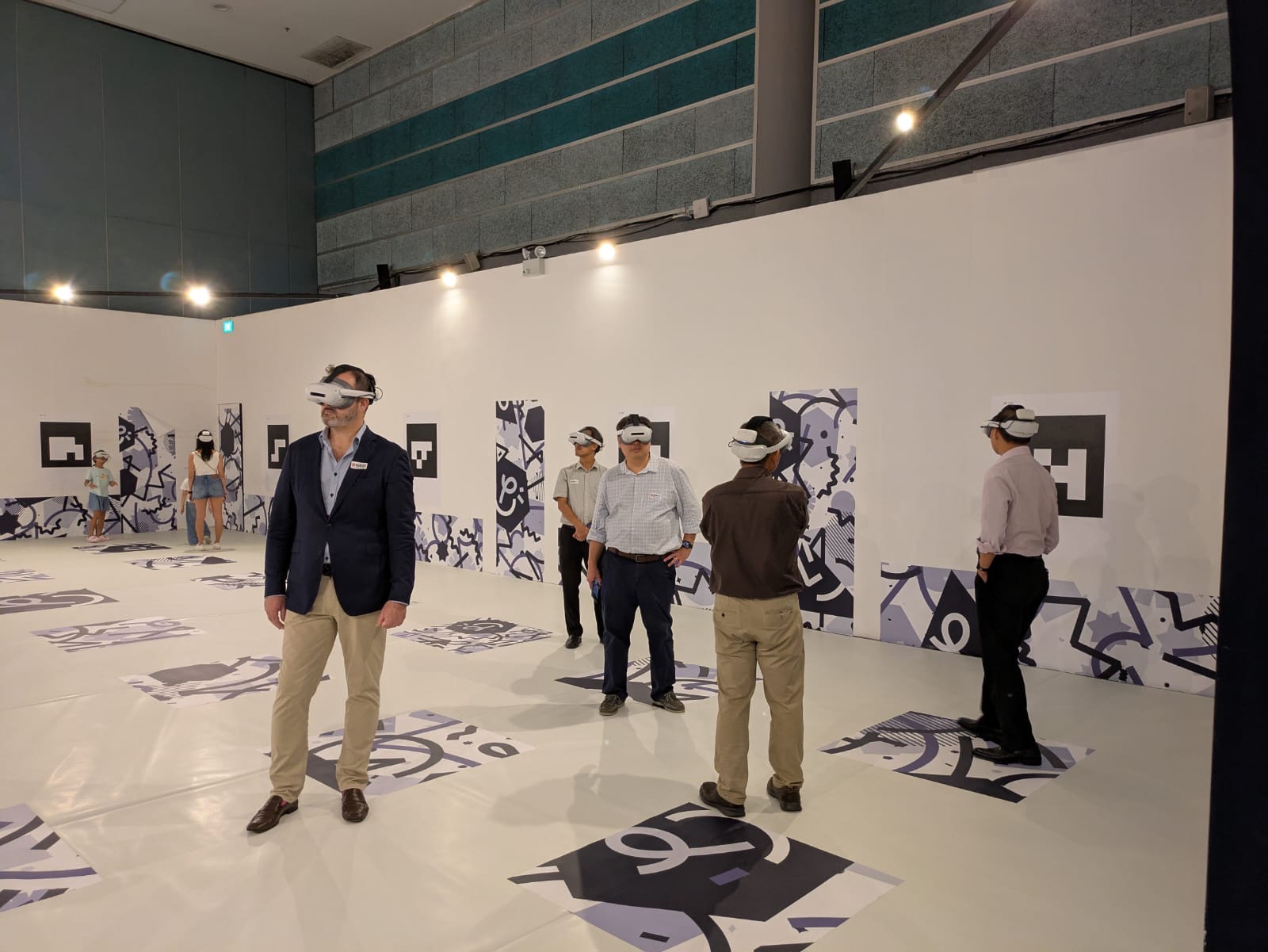

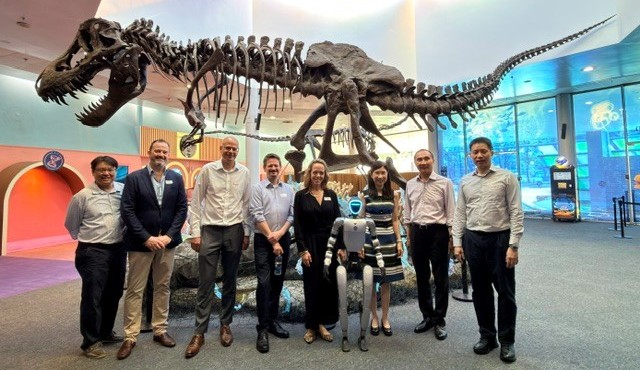
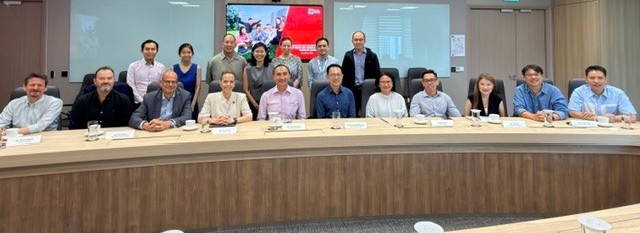
The 2026 CCM underscored the value of bringing educators, assessment professionals and institutions together to exchange perspectives on the future of learning. SEAB looks forward to building on these conversations in the future.
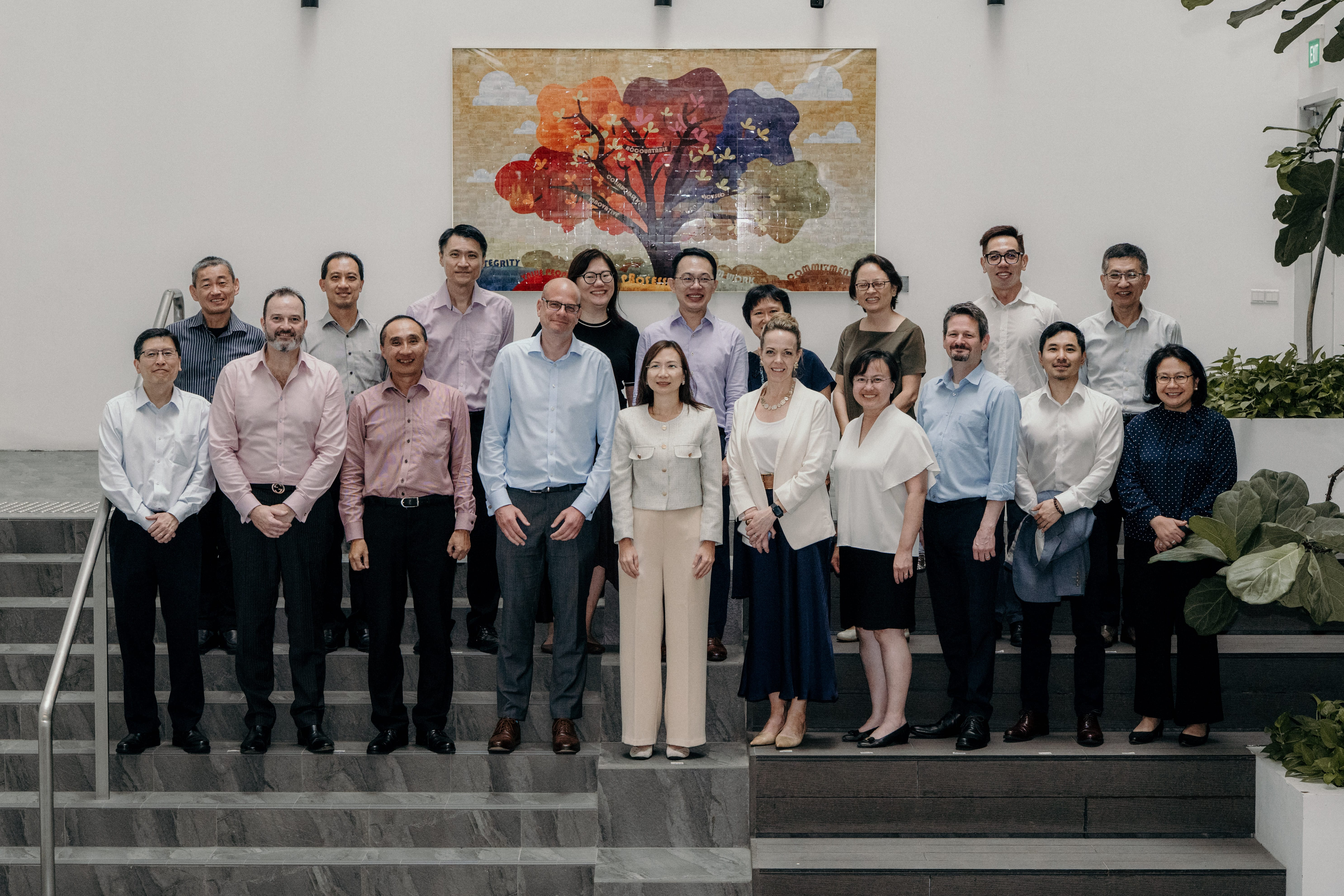
A group photo of MOE, SEAB and Cambridge delegates at the SEAB Building.
SEAB Welcomes Future Teachers from South Korea
A group of 10 delegates from the Chinju National University of Education (CNUE) in South Korea visited SEAB in July 2026 to learn more about how Singapore assesses English Language writing and speaking skills at the primary level.
CNUE is a national university in South Korea focused on preparing future primary school teachers. The visiting delegation comprised the university professor and her students who are training to enter the teaching profession.
The visit provided an opportunity for the delegates and SEAB officers to exchange perspectives on education and assessment, with a particular focus on approaches to assessing communication skills.
SEAB officers introduced the delegates to Singapore’s education philosophy and shared how technology has supported developments in national assessment, including electronic examinations and onscreen marking. The discussion also covered the assessment of English Language writing and oral communication at the PSLE, giving the future teachers a closer look at the range of formats used to assess students’ communication skills in Singapore.
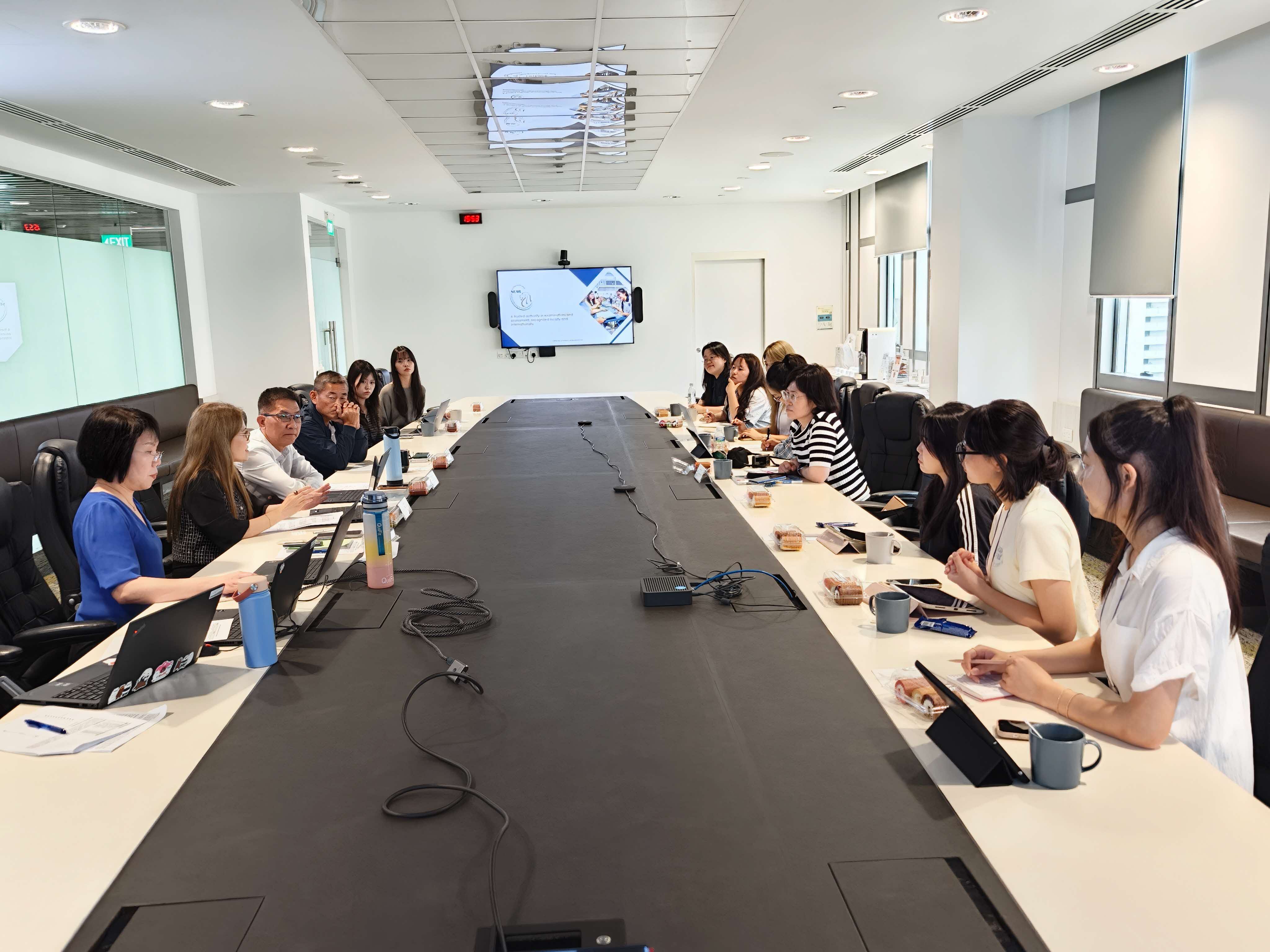
An exchange of ideas between SEAB officers and the South Korean delegates
The delegation expressed appreciation for the exchange and interest in sharing the learning from the visit with a wider group at CNUE. The visit reflected the value of international professional exchanges in broadening perspectives and creating opportunities for continued learning between education communities.
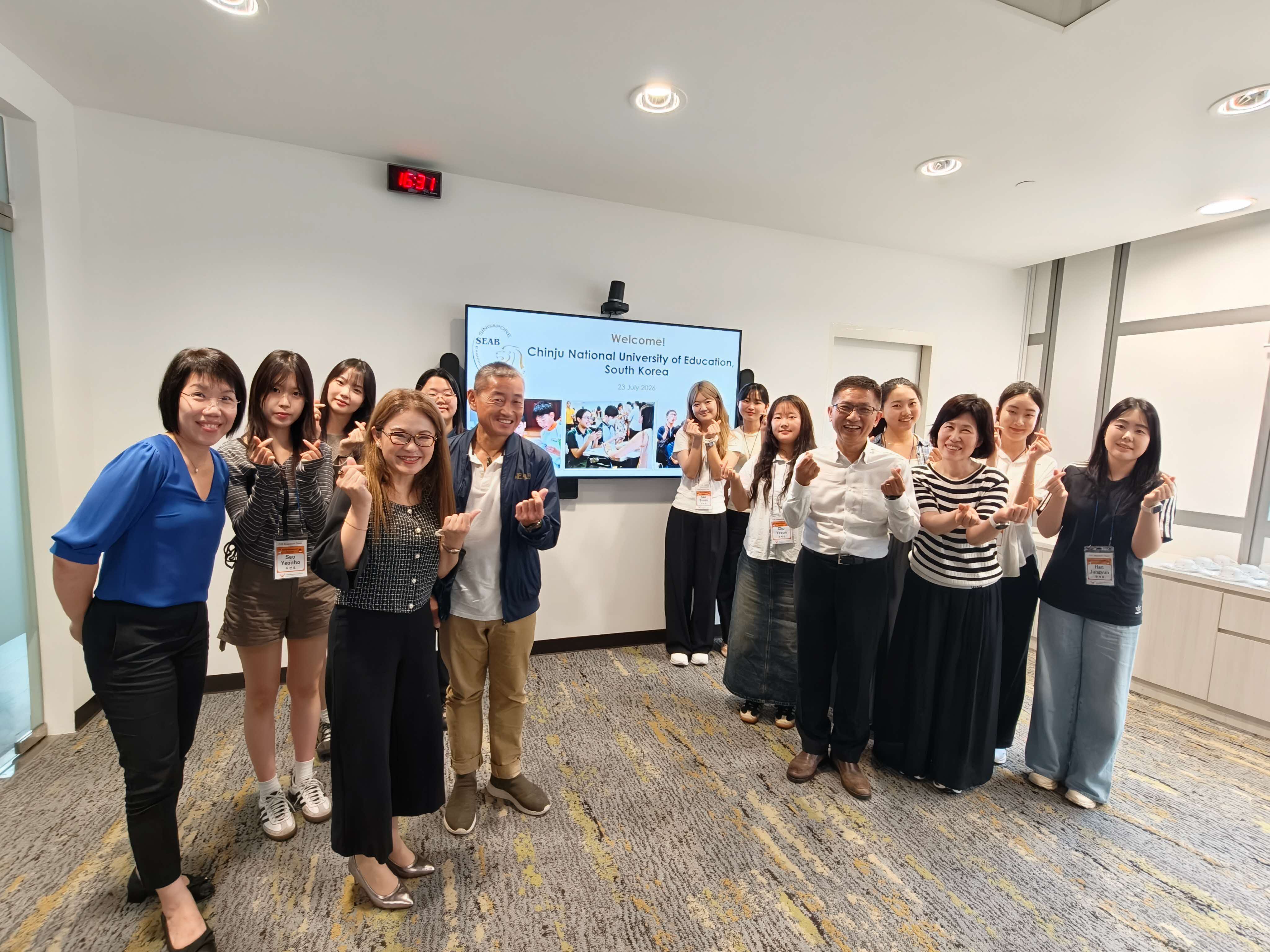
Group photo to commemorate the occasion
Engaging School Leaders on AI and Assessment
On 8 July 2026, SEAB hosted 40 school leaders from the MOE’s S6 School Cluster for a learning journey on SEAB’s use of artificial intelligence (AI) and digital technologies in assessment.
The school leaders were brought on a tour of SEAB’s Heritage Gallery to understand the history of national examinations and visited the examination operation facilities. These provided them a behind-the-scenes look at how national examinations are administered. These tours provided participants a better understanding of the considerations that underpin the delivery of national examinations.
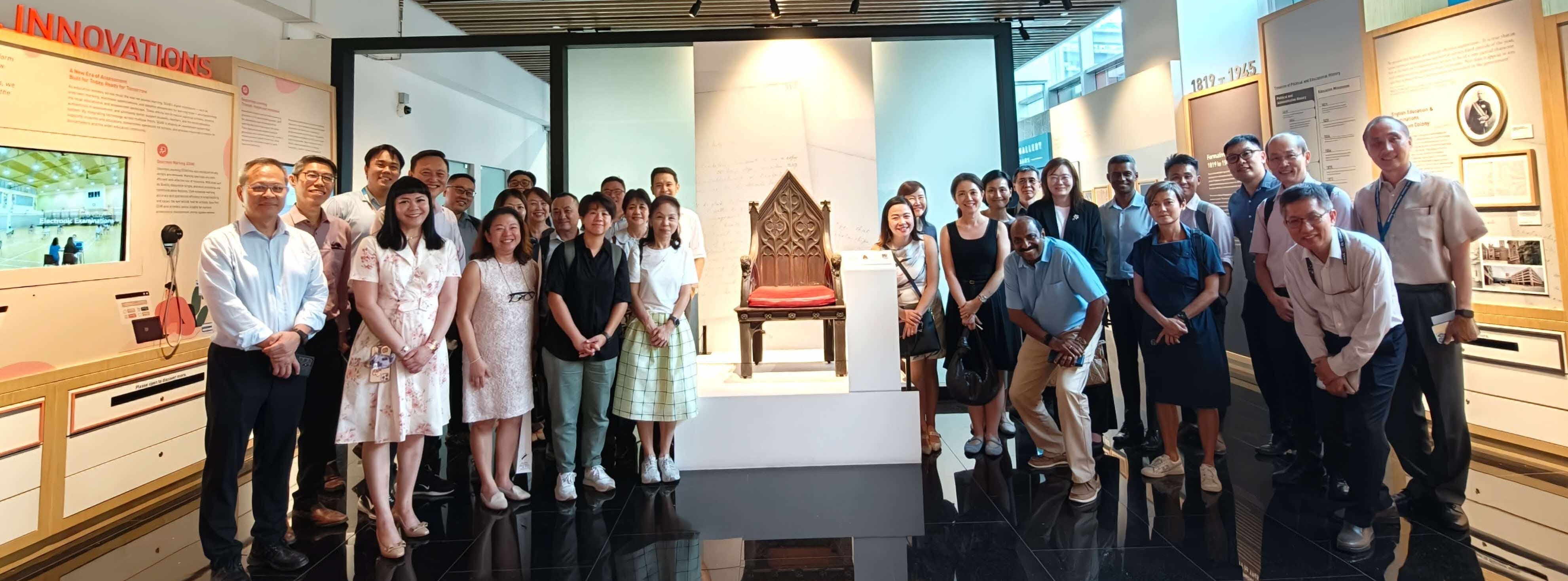
School leaders were brought on a guided tour of SEAB’s Heritage Gallery
SEAB also shared how emerging technologies, including AI, can support assessment work while complementing professional judgement and maintaining the integrity and quality of national examinations. Lastly the dialogue with SEAB management on the opportunities and challenges presented by AI and the future of assessment enabled SEAB and school leaders to deepen mutual understanding and consider how technology can be harnessed purposefully to support learning and assessment. It was an afternoon well spent!
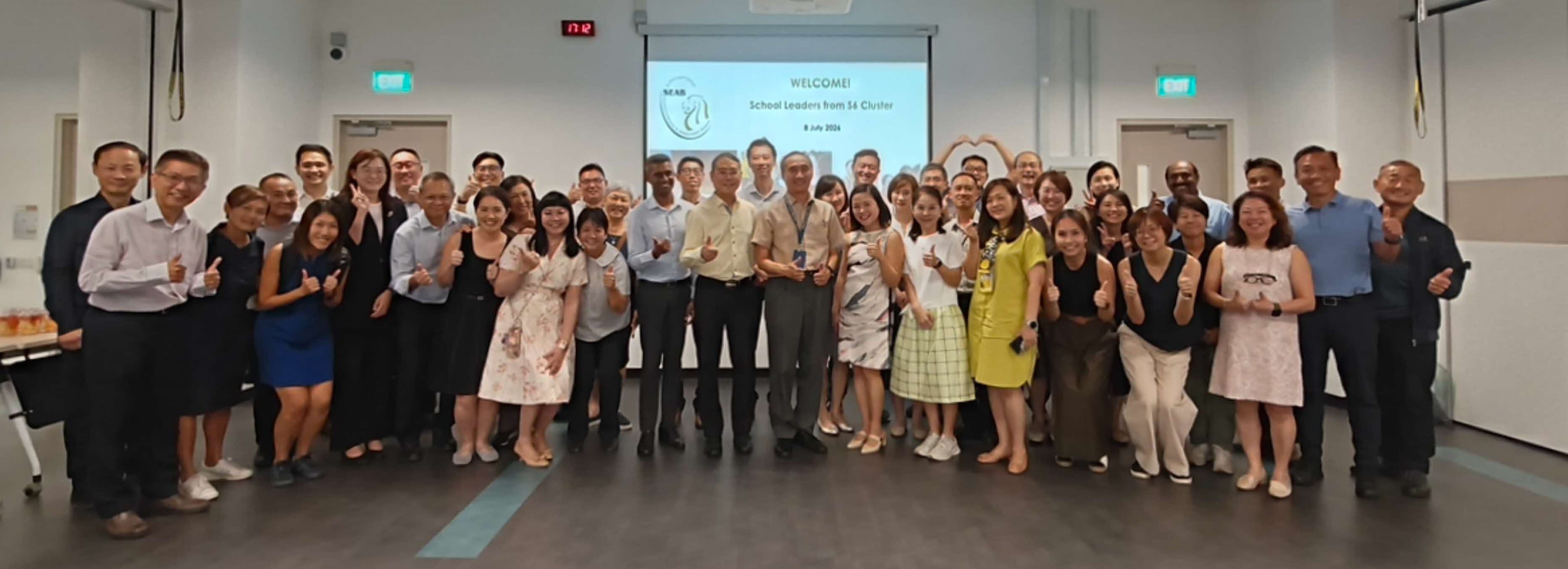
All smiles from everyone
Conversations with SEAB: Strengthening Understanding and Trust in National Examination
SEAB hosted 40 participants from the Management and Leadership in Schools (MLS) programme on 11 August 2026, providing the educators with an opportunity to gain deeper insights into the philosophy, design and operations behind Singapore's national examinations.
The session combined professional sharing, dialogue and experiential learning, allowing participants to better appreciate the extensive effort that goes into ensuring assessments remain fair, rigorous and relevant.
The guided tours of SEAB’s Heritage Gallery and examination operation areas provided a background of national examinations and a first-hand understanding of the meticulous processes and multiple layers of safeguards that underpin the conduct of national examinations.
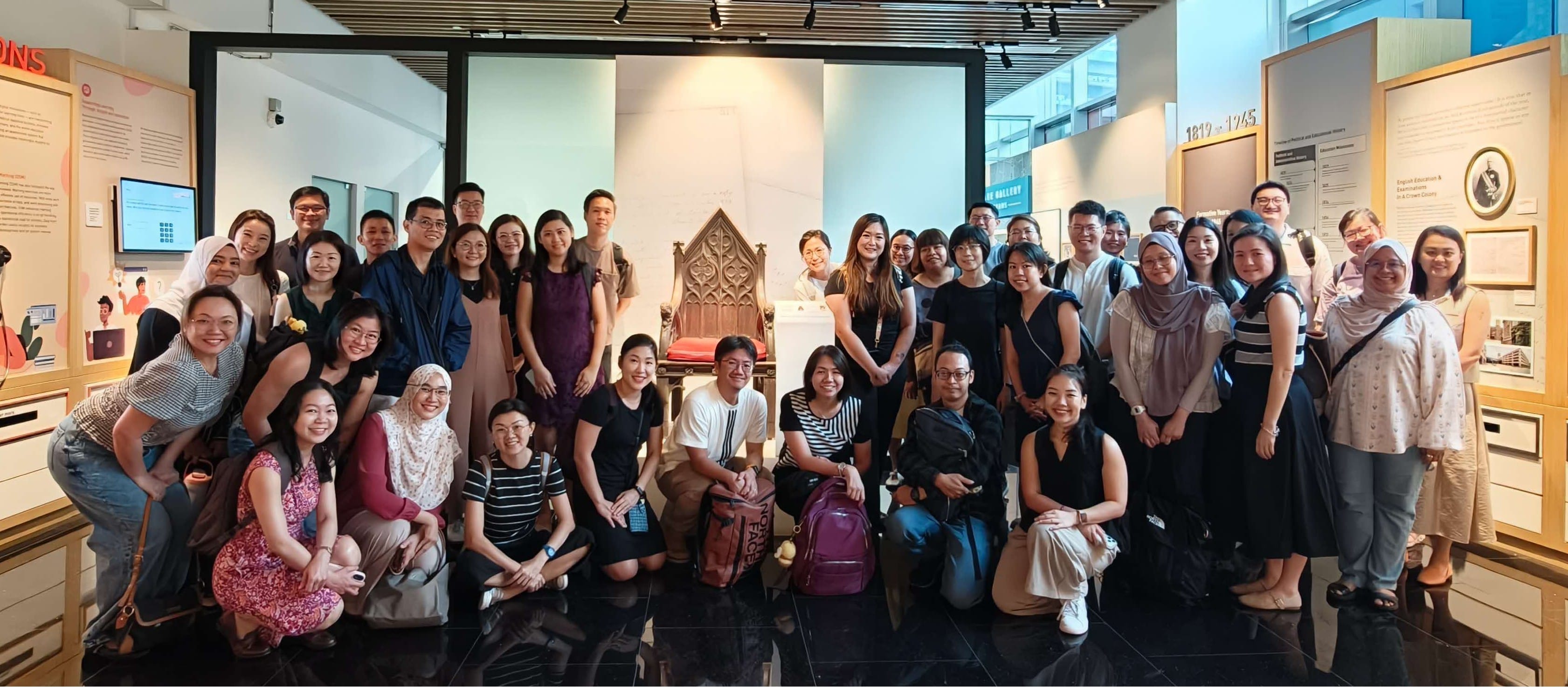
MLS participants taking a photo with the Bishop Brown chair in the Heritage Gallery
A key segment focused on how assessment design continues to evolve in line with curriculum objectives while balancing innovation, authenticity and reliability through a presentation. The sharing also focused on how e-assessments can broaden assessment possibilities and enhance the assessment experience.
The dialogue session with senior management was another well-received segment. MLS participants appreciated the openness and candid exchange on assessment policies, examination developments and broader education issues. The opportunity to ask questions directly and hear different perspectives helped deepen their understanding of SEAB's work and the considerations behind key assessment decisions.
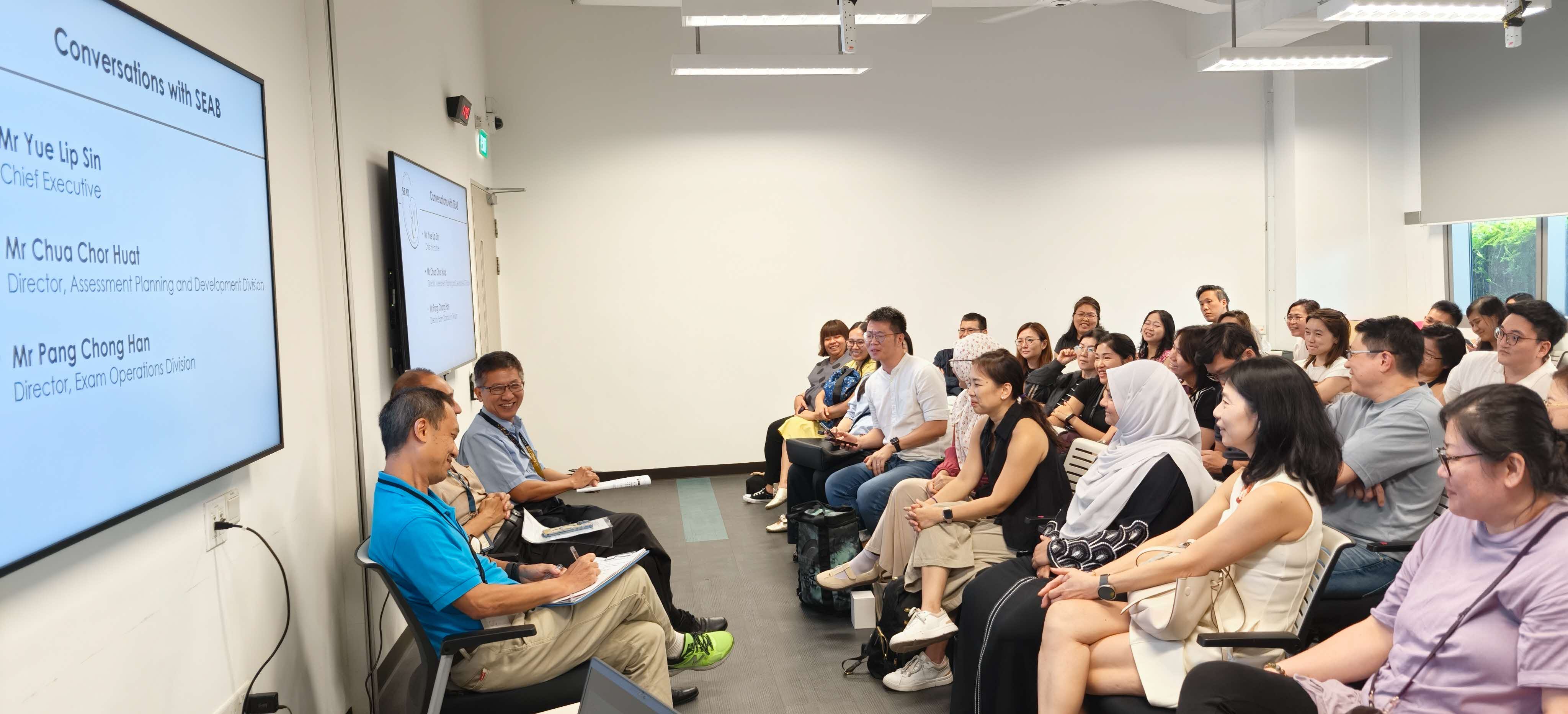
MLS participants enjoyed the insightful and candid discussions with SEAB’s management.
Positive feedback from participants highlighted the value of the programme in strengthening understanding of the rigour, integrity and thoughtful design of Singapore’s national assessments, as well as SEAB’s commitment to continuous improvement.
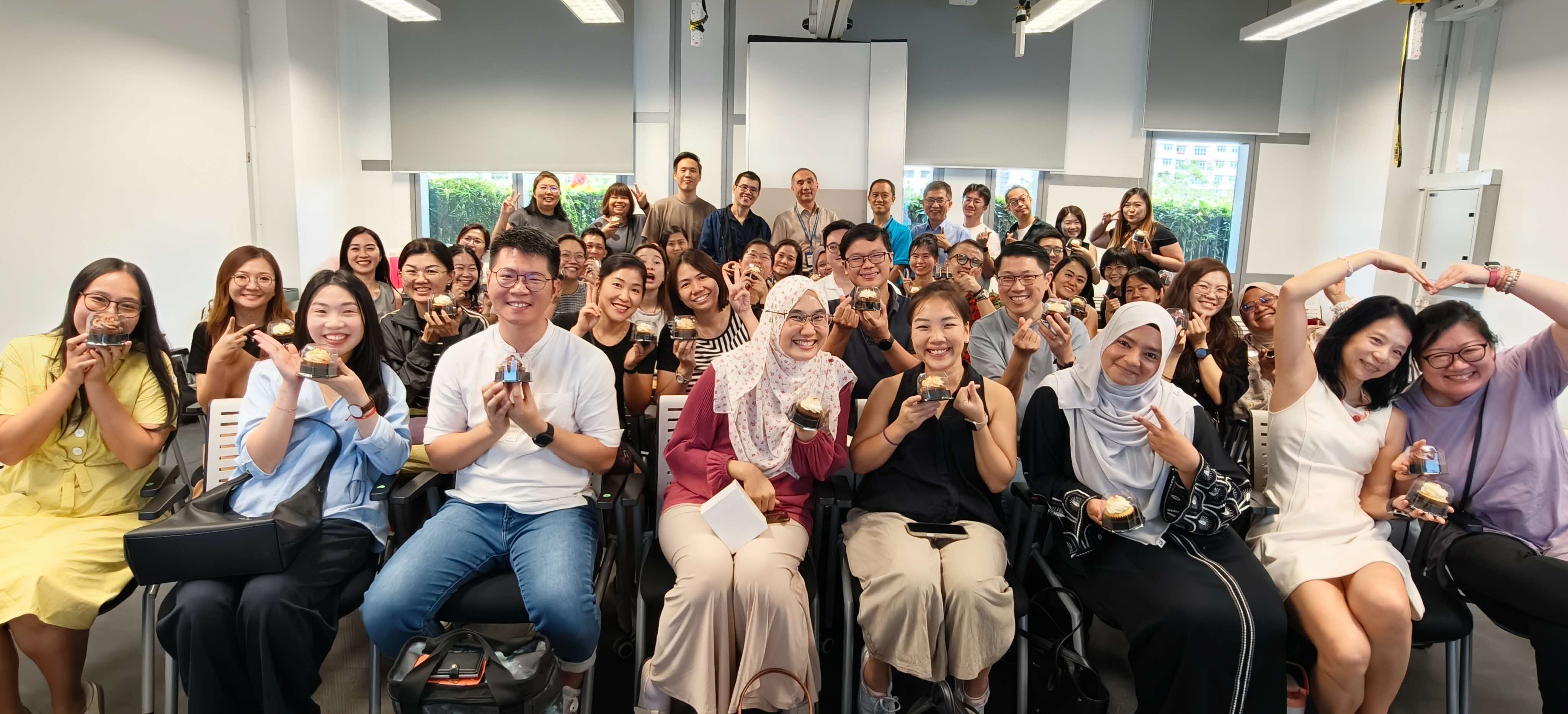
Cupcakes for an advanced Teacher’s Day celebration sweetened the session!
The session with SEAB gave us a much deeper appreciation of what goes on behind the scenes in designing and delivering national examinations. Our biggest takeaway was perhaps the idea of making assessment R.E.A.R.—Relevant, Engaging, Authentic and Rigorous. Of these, “Engaging” stood out to us. We had not often thought of examinations in terms of engagement, but the sharing made us realise how intentional assessment design can make learning and assessment more meaningful to students. It also prompted us to reflect on how intentional we need to be in our own teaching if we want to prepare students for an increasingly complex and changing world. We were particularly intrigued by the evolution of e-assessment. e-Exams are not simply about replacing pen and paper with typing; technology has opened up possibilities for video stimuli, interactive rich media, animation and a greater variety of authentic contexts. These affordances can make questions come alive, reduce unnecessary cognitive load and allow students to demonstrate the application of knowledge and e21CC more meaningfully. What impressed us was the careful balance SEAB seeks to maintain between innovation and rigour, and between predictability and novelty, so that assessments remain fair while continuing to evolve. The sharing also gave us greater insight into the assessment cycle and the many considerations involved even after an examination has been completed. We came away with a stronger appreciation of the precision, thoughtfulness and collaboration required to ensure that assessments are fair and equitable for every student. It reminded us that fairness is not simply about having the same assessment for everyone; it is about designing an assessment system that students can trust. Most importantly, the session left us thinking about what we can do differently in our own contexts. How can we make assessment more purposeful and relatable for our students? How can we harness technology meaningfully rather than simply digitising existing practices? And how might we encourage teachers to continually review and adapt their practices with greater intentionality? These are questions we hope to continue exploring. We are grateful to the SEAB team for the candid sharing and warm hospitality, and especially for the thoughtful early Teachers’ Day treat—a lovely cupcake that was a sweet ending to an insightful session!— Feedback from MLS participants