2026 GCE O-Level Mid-Year Mother Tongue Language Examination: The Final Year, A Chapter Closed
A reflection of the final GCE O-Level Mid-Year Mother Tongue Language examination.
Last updated on 3 November 2026
On 2 June 2026, close to 16,400 students sat for the GCE O-Level Mid-Year Mother Tongue Language (MTL) examination. While it was a familiar examination for students, schools and educators, this year's sitting marked a significant milestone: it was the final GCE O-Level Mid-Year MTL examination.
For more than four decades, this has been part of Singapore's national MTL assessment landscape. Its conclusion reflects how our education system has evolved over the years.
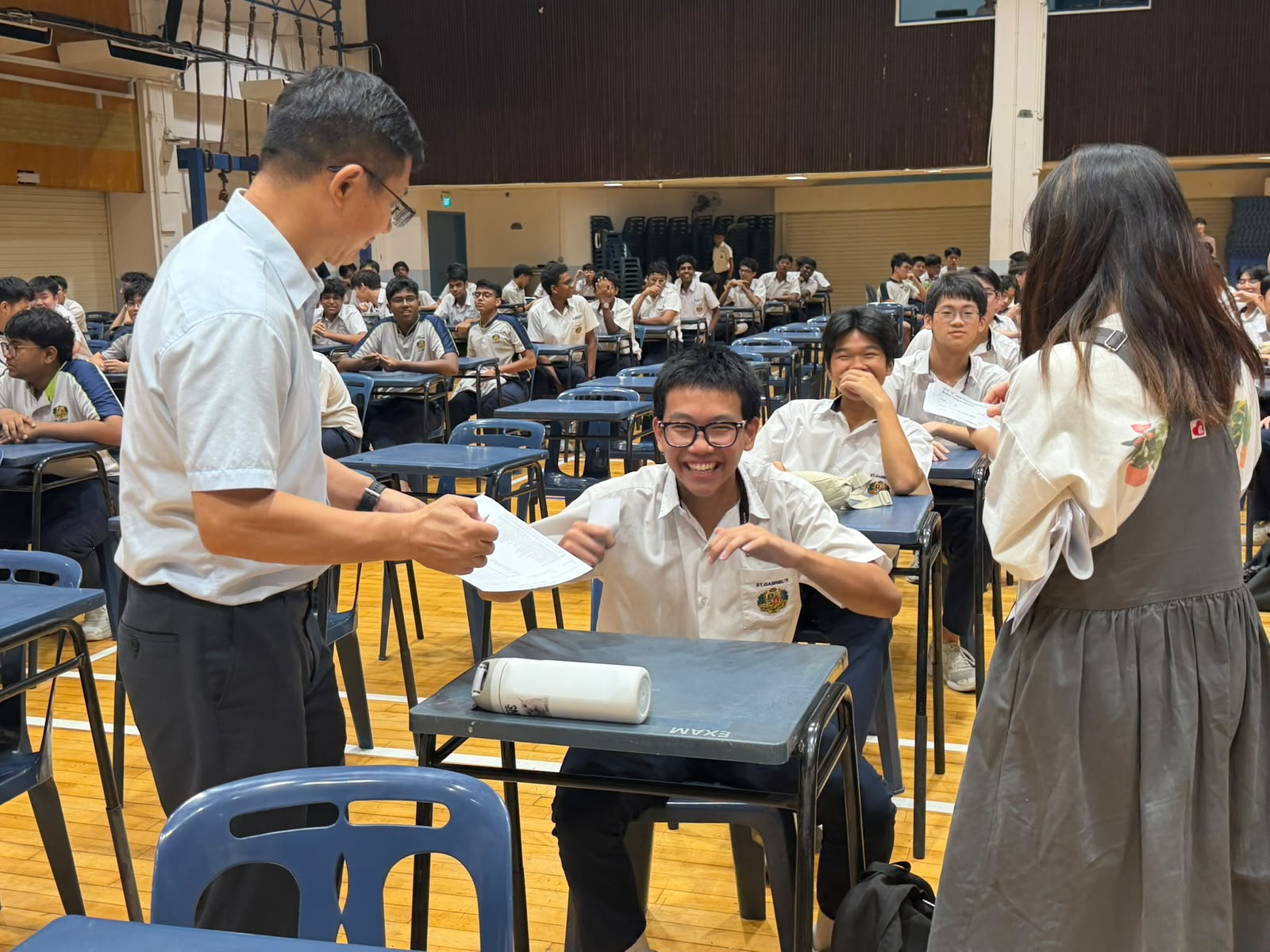
Students receiving their Mid-Year MTL examination results at St Gabriel’s Secondary School (Credit: St Gabriel’s Secondary School)
So why the change?
From 2027, under the Full Subject-Based Banding (SBB), students will sit for a single MTL examination in September as part of the Singapore-Cambridge Secondary Education Certificate (SEC) examinations. The change will give students more time for sustained language learning while allowing a more deliberate spacing of assessments across the academic year.
Student outcomes have strengthened over the years. In recent years, close to 98% of students have met the minimum MTL requirement for admission to Junior Colleges and Millennia Institute at their first attempt during the mid-year examination. Increasingly, the Mid-Year sitting has also been students' best performance, while fewer students have opted for a second attempt. These trends reflect broader developments in MTL teaching and learning, including enhanced curriculum design, improved teaching approaches and greater support for students. The 2021 Secondary MTL curriculum and Full SBB have further enabled students to learn at a pace and level suited to their learning needs. As language proficiency develops through sustained exposure, practice and engagement, the removal of the mid-year examination will also provide more time and space for meaningful MTL teaching and learning.
Looking back, why was the mid-year examination introduced?
The origins of the mid-year MTL examination can be traced to Singapore's bilingual education landscape in the late 1970s.
Following the introduction of a minimum Second Language requirement for pre-university admission in 1979, the Mid-Year MTL examination was first introduced in 1980. At the time, fewer than 40% of students passed both their First and Second Languages, raising concerns about whether students had attained the language proficiency needed for further education and employment.
The Mid-Year examination provided a practical response. Students could take their MTL examination earlier in the year, spreading out their examination load. Those who did not meet the required standard or achieve the result they hoped for could sit for the examination again at the end of the year.
For many years, this second opportunity provided an important safety net, balancing the need to maintain standards with the flexibility to give students another opportunity to demonstrate their learning. As student outcomes improved, however, the need for this arrangement gradually diminished.
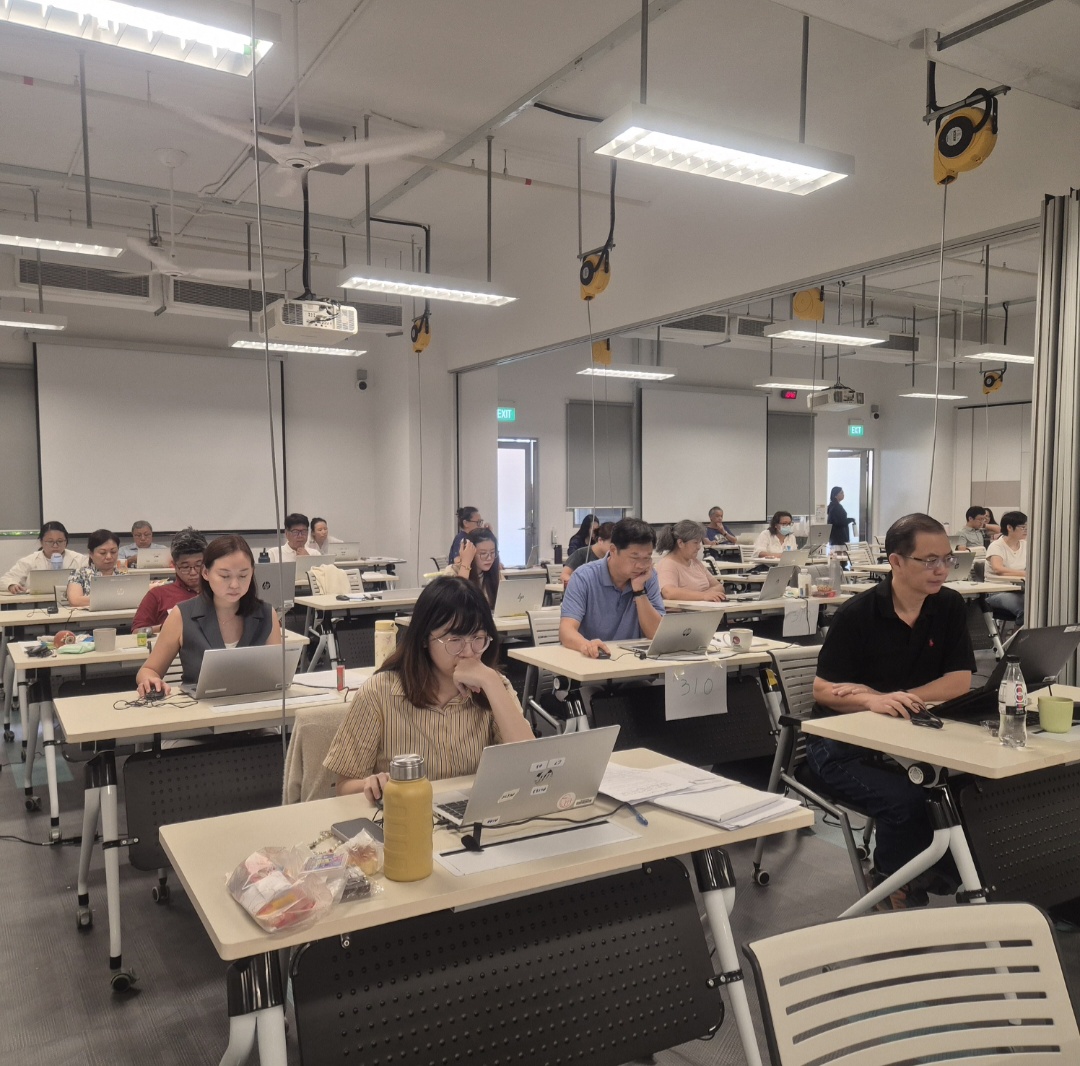
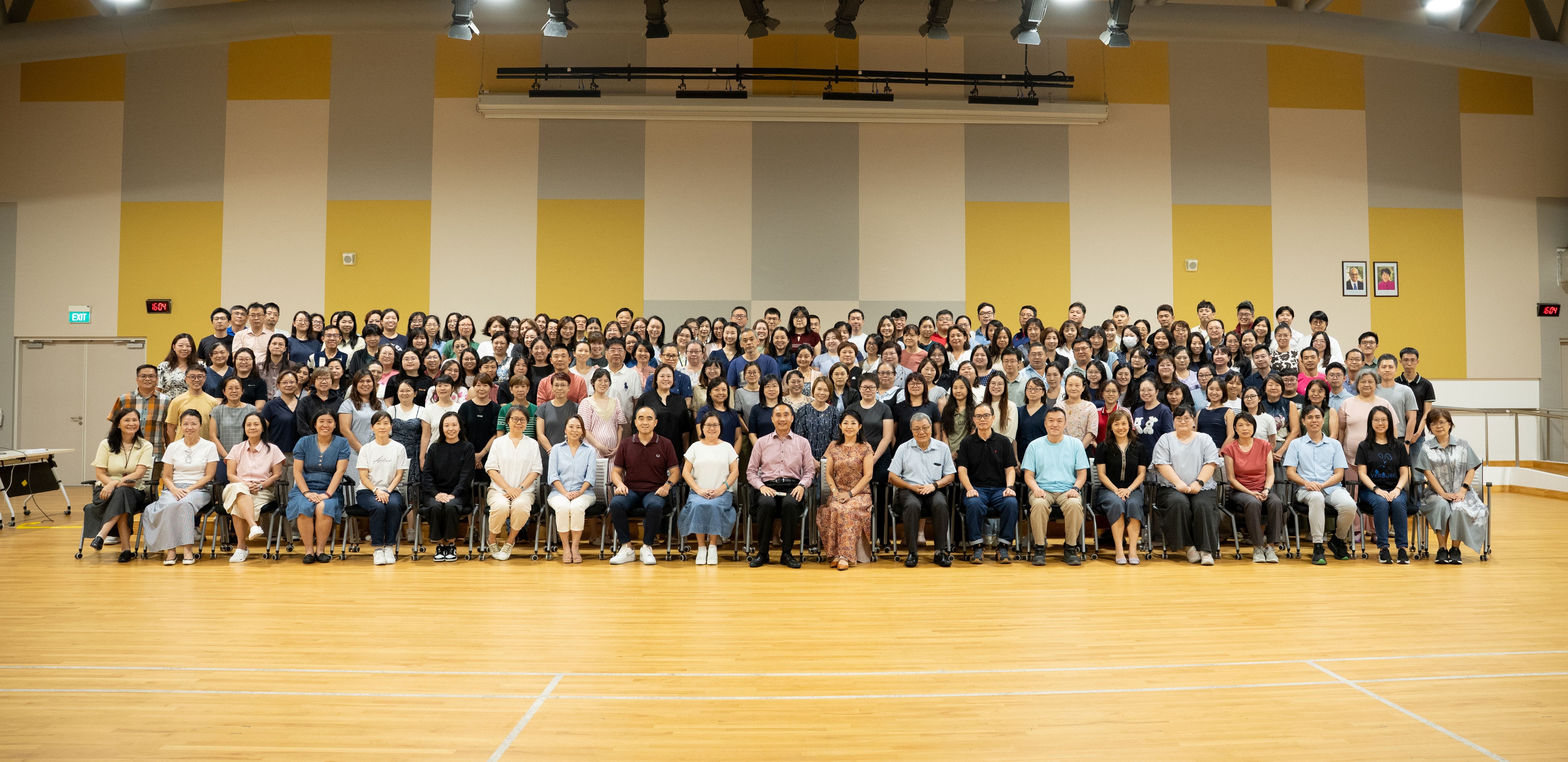
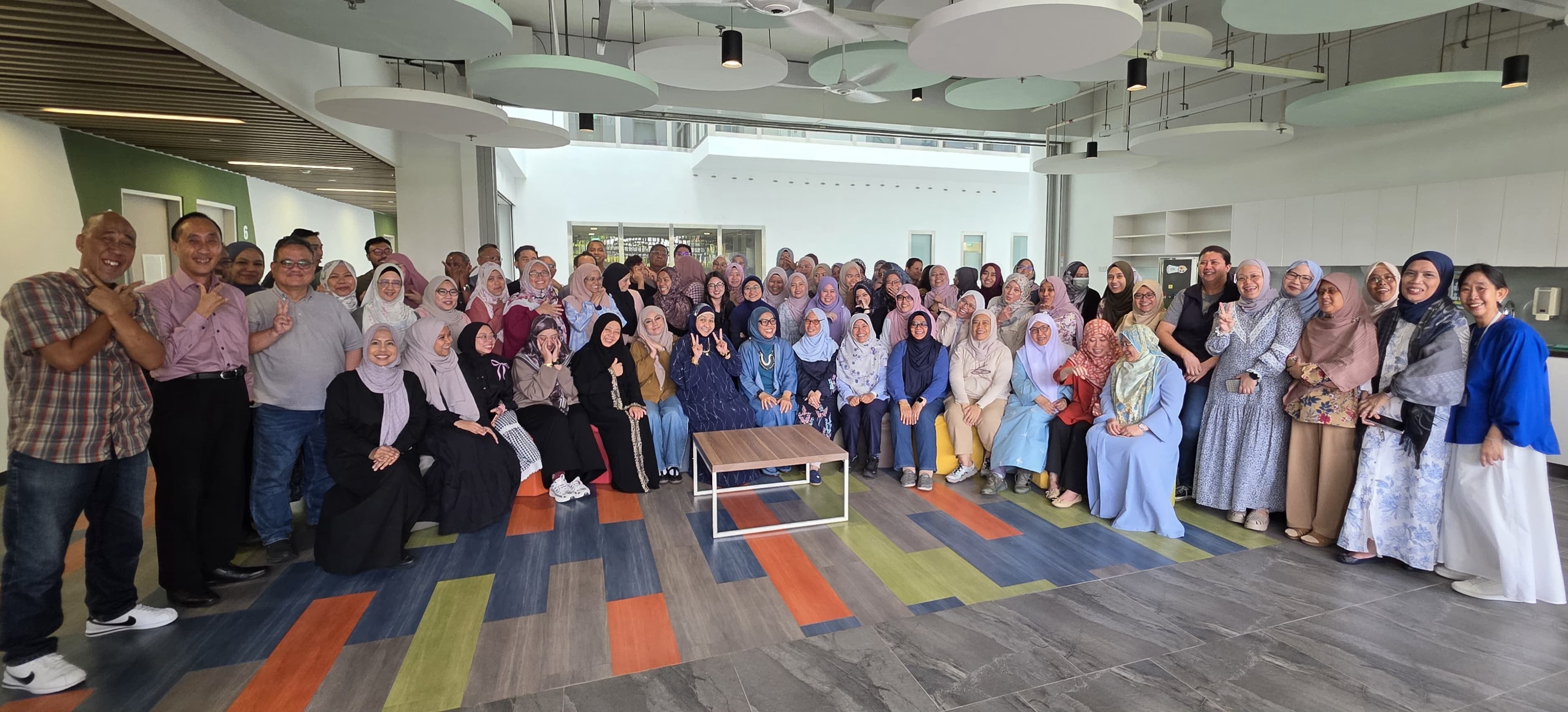
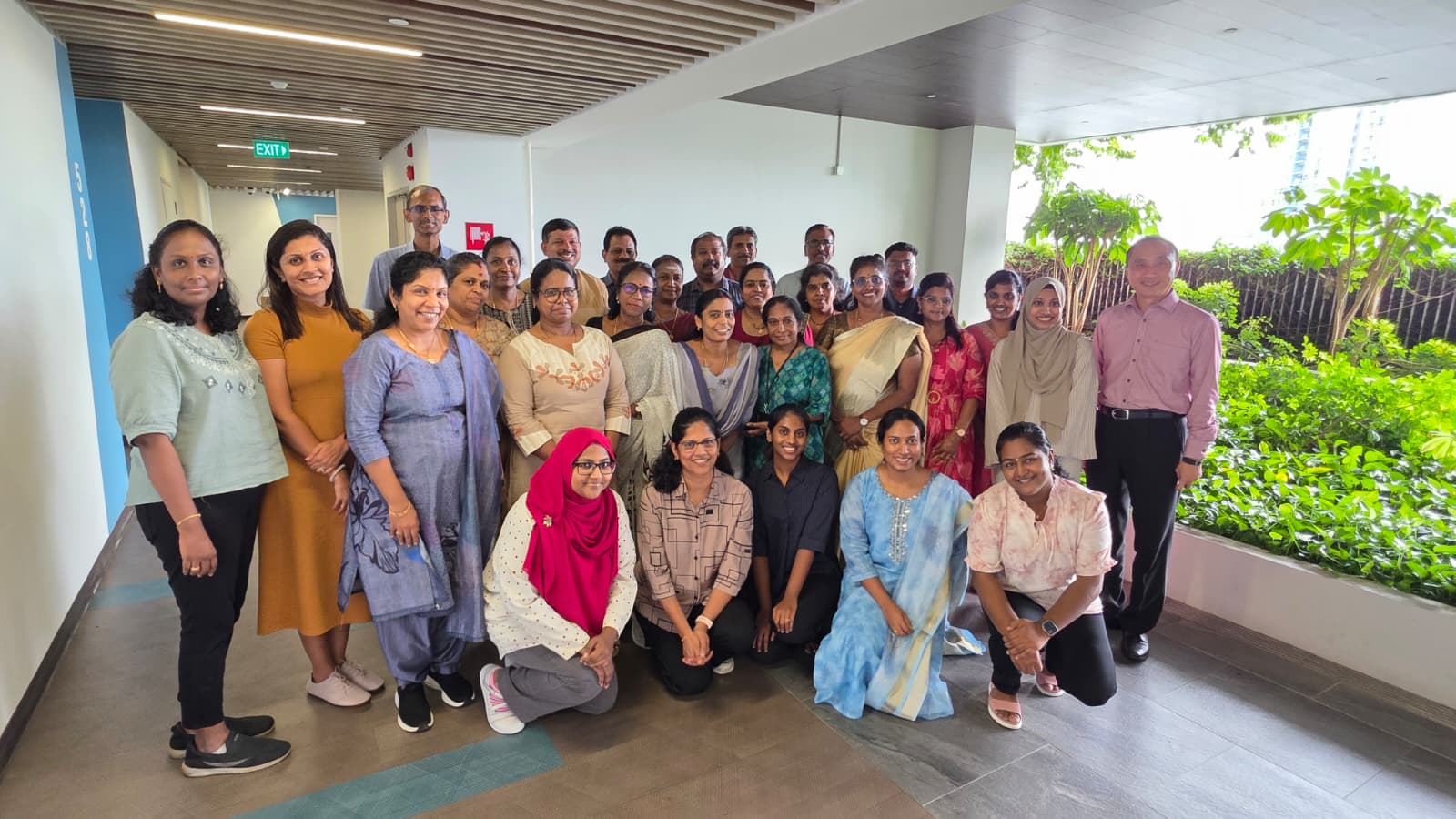
Dedicated 2026 markers in action for the final year of the GCE O-Level Mid-Year MTL examinations
The final year, a chapter closed?
The final Mid-Year MTL examination in 2026 is therefore more than the end of a longstanding examination arrangement. It also marks how far Singapore's MTL education landscape has come.
An examination introduced to meet the needs of students more than four decades ago has served its purpose through different stages of Singapore's education journey. As those needs have changed, our assessment practices are changing with them.
From 2027, the single MTL examination sitting in September will form part of the new SEC examinations, giving students more time to develop their language proficiency before the national examination.
While the Mid-Year MTL examination will no longer be part of the school calendar, its contribution to Singapore's bilingual education journey remains significant. Its story is not simply about an examination coming to an end. It is a story of progress and of how assessment continues to evolve to support the learning needs of each generation.