Learning Across Education Systems: An Exchange with Assistant Professor Park Sei Joon
Find out more about the rich discourse and exchange with Professor Park
Last updated on 3 November 2026
SEAB welcomed Assistant Professor Park Sei Joon from the National Institute of Education for a week-long attachment from 27 to 31 July 2026, providing a valuable opportunity for professional exchange on assessment, research and developments in education.
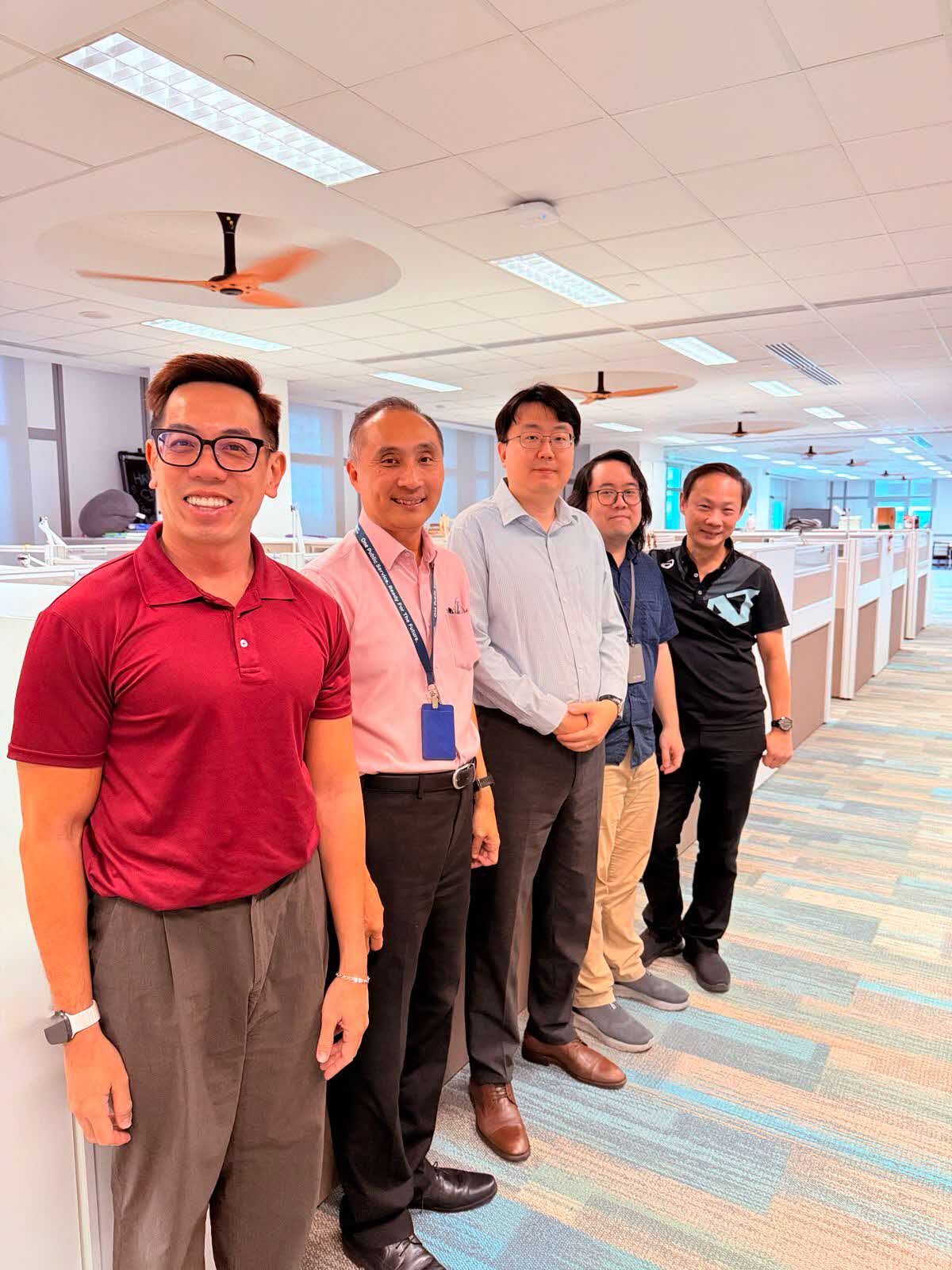
Group photo of Dr Park (third from right) posing with SEAB management and staff
Professor Park began his attachment with a tour of SEAB’s Heritage Gallery, where he learnt about key milestones in Singapore’s education journey and how assessment and examinations have evolved over the years.
Over the course of the week, Professor Park gained insights into several key areas of SEAB’s work. These included SEAB’s test development processes and e-Examination journey, as well as the planning and operations behind the conduct of Singapore’s national examinations. He also had the opportunity to visit SEAB’s examination operation facilities and learn more about the grading processes.
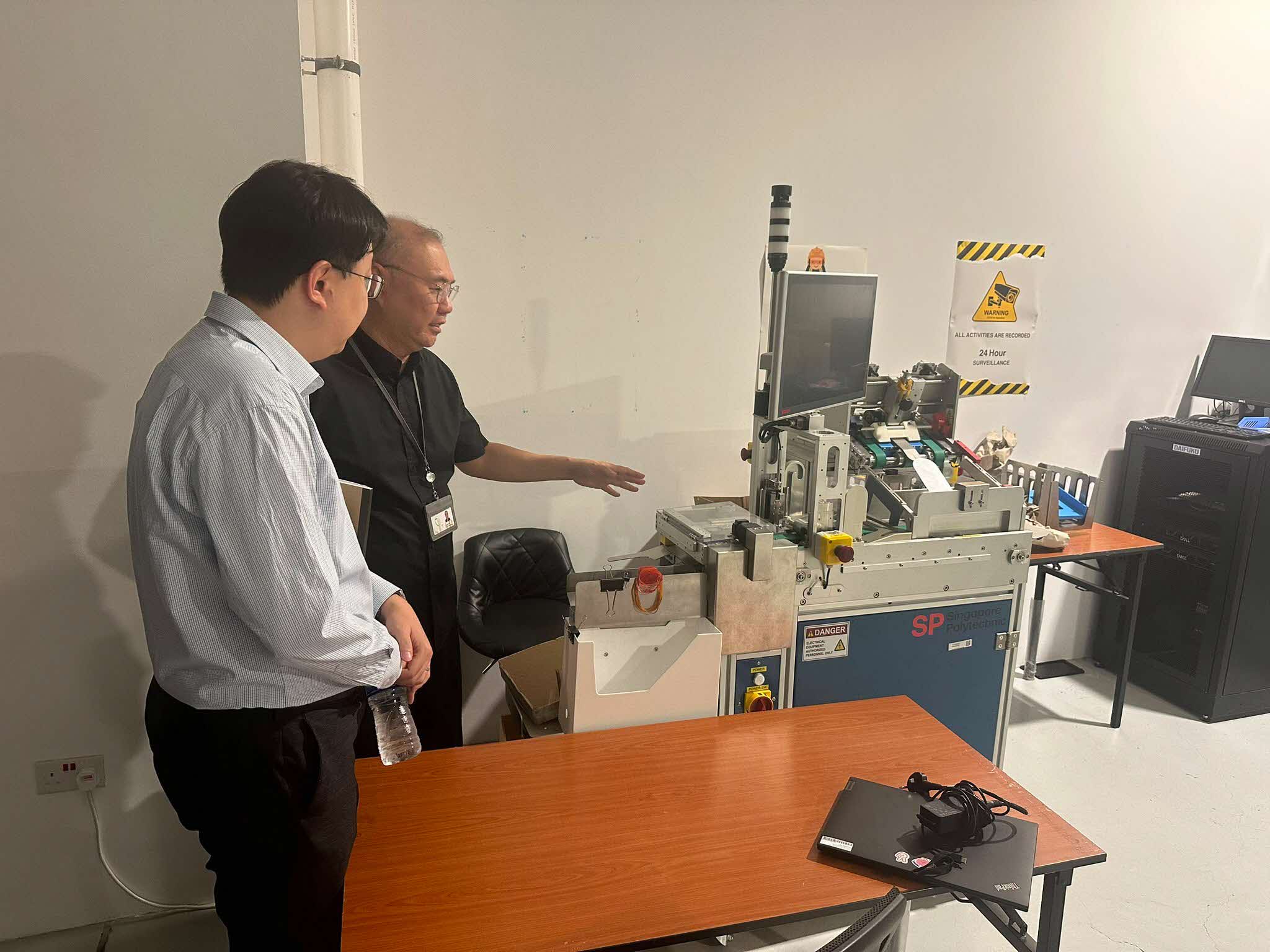
Officers from the Exam Operations Division sharing with Professor Park about processes involved in script counting.
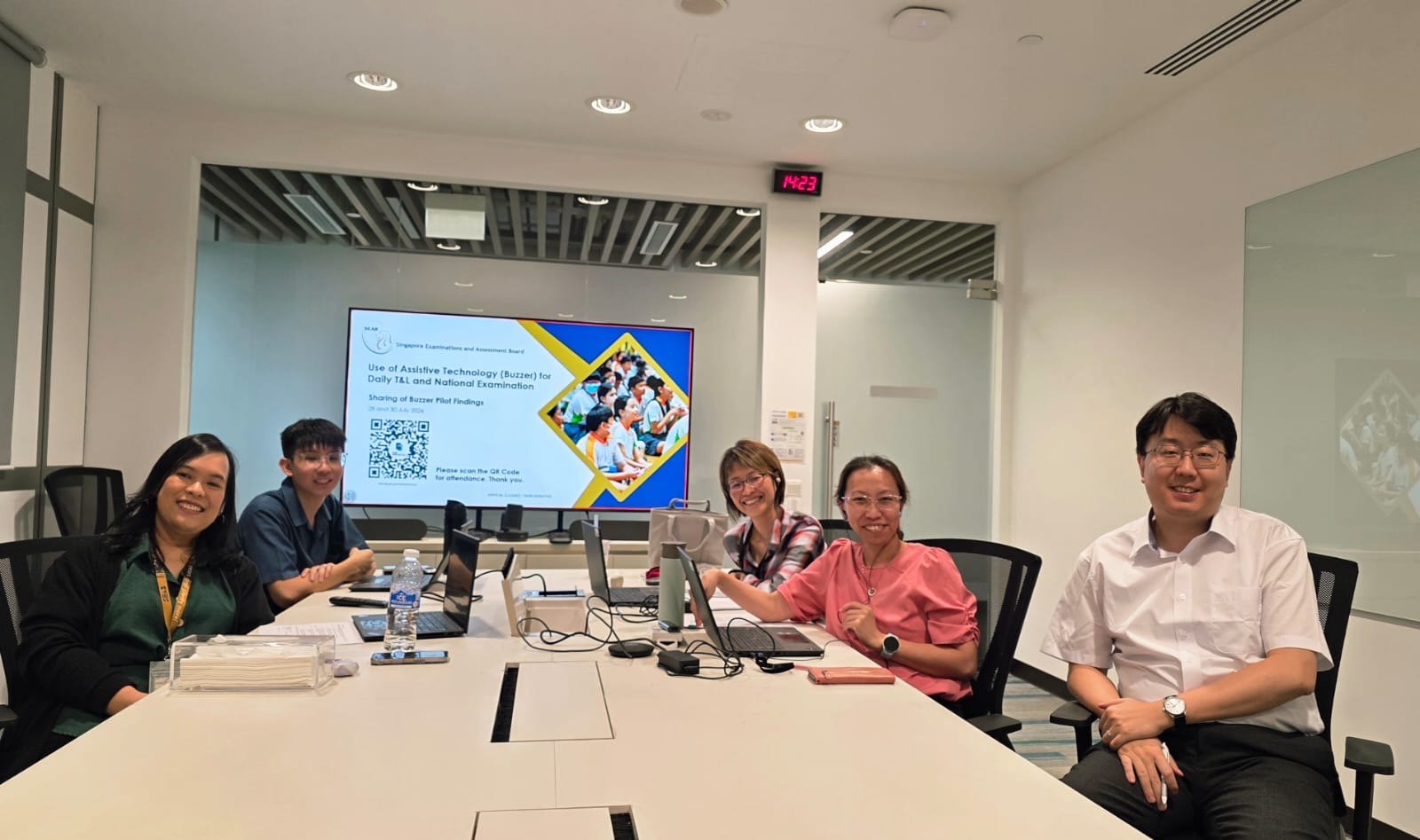
Sharing by officers from the Research and Development Division
Research was another key focus of the attachment, with SEAB colleagues exchanging perspectives with Professor Park on areas such as adaptive assessment and the assessment of 21st Century Competencies.
The learning went both ways. SEAB colleagues also had the opportunity to hear from Professor Park through two presentations. In the first, he shared his research on educational leadership and U.S. superintendency, including the quantitative and qualitative approaches used in his work.
His second presentation turned the spotlight to Korea’s education and assessment landscape. Drawing on both his professional knowledge and personal experience of the Korean education system, Professor Park shared reflections that sparked a lively exchange on education policies and practices in Korea and Singapore. The session concluded with SEAB sharing more about Singapore’s education landscape, providing further opportunities to exchange perspectives across the two education systems.
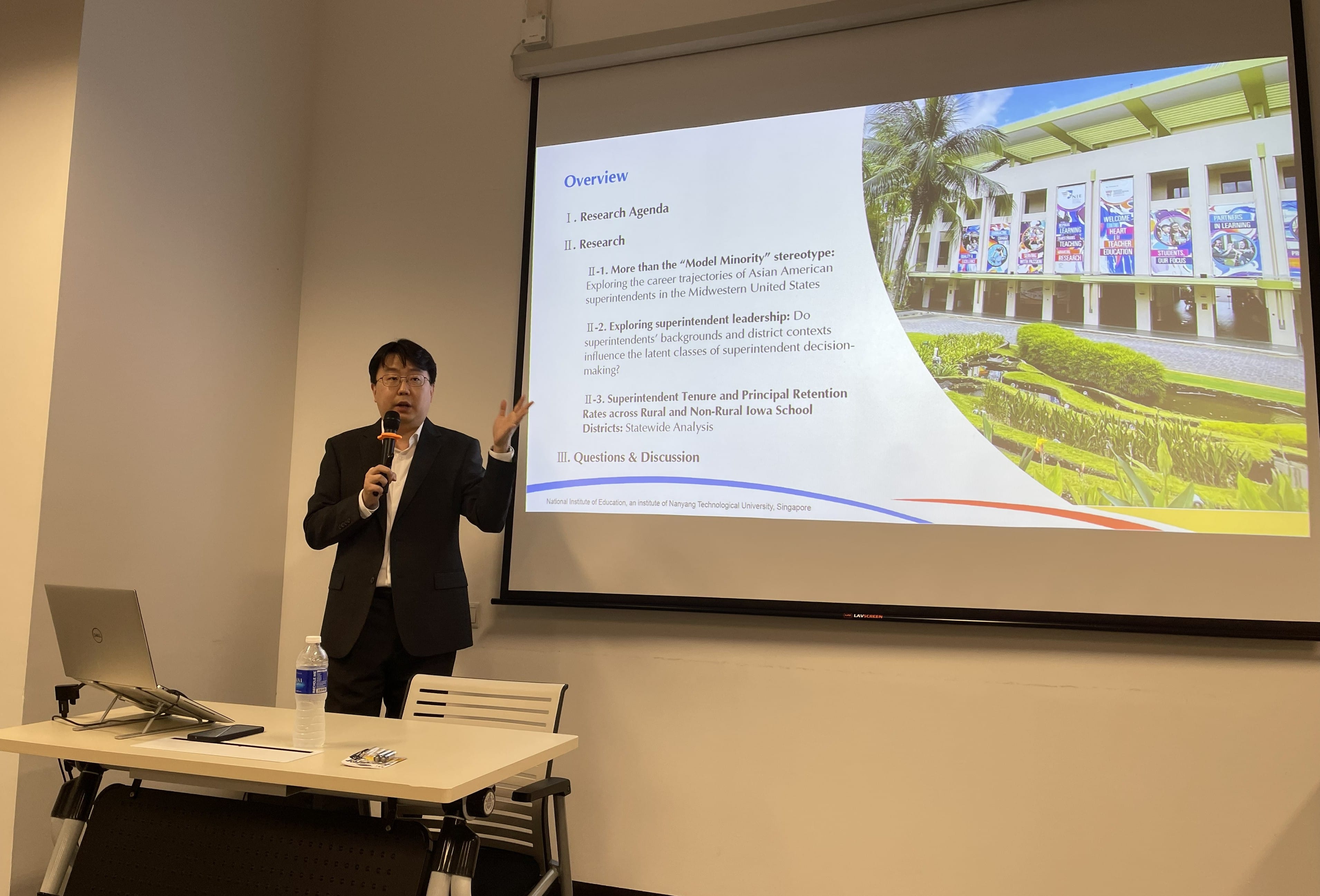
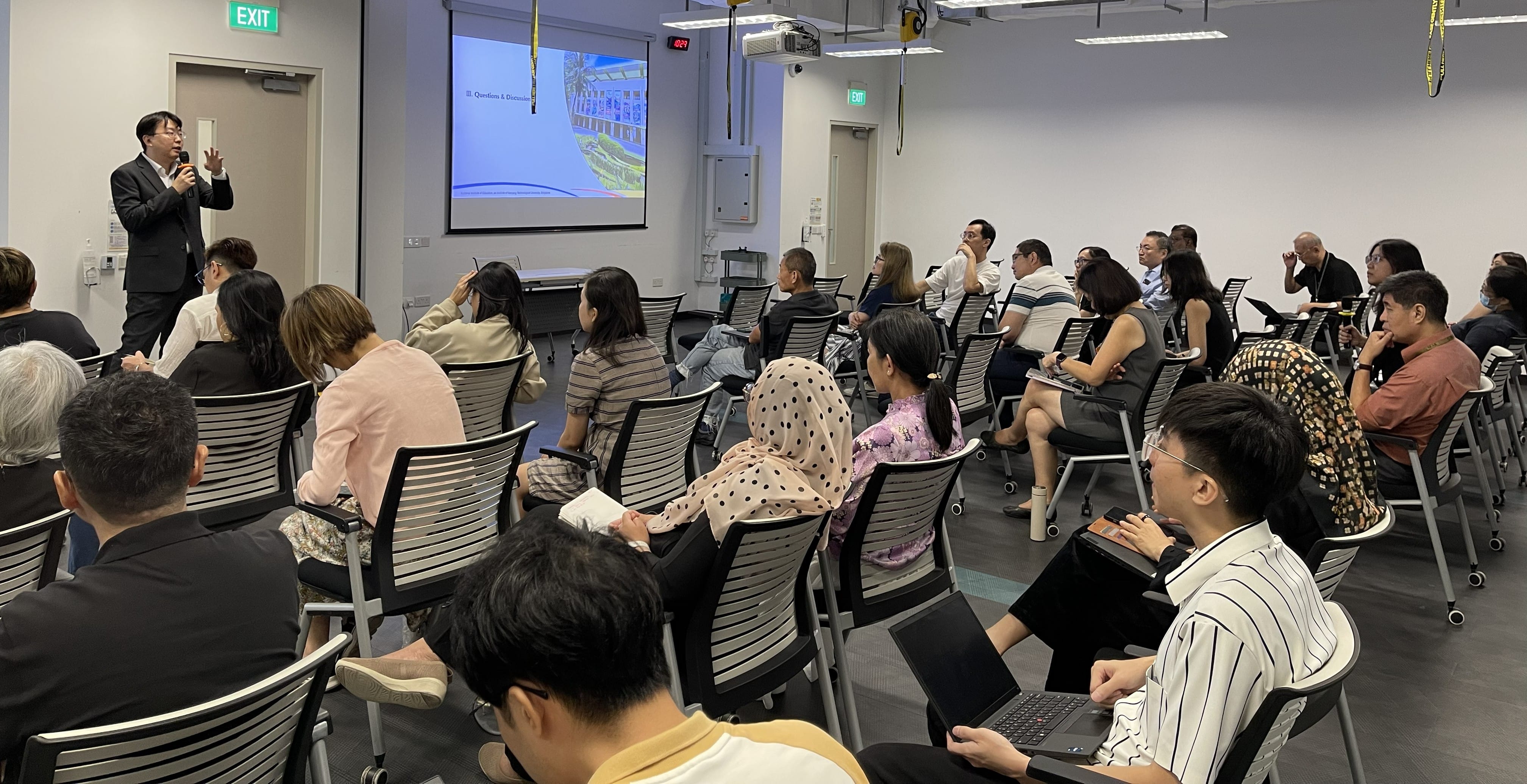
It was a mutually beneficial session as SEAB officers gleaned insights from Professor Park’s sharing.
The week-long attachment was a meaningful opportunity to strengthen professional connections, exchange perspectives and deepen mutual learning. Reflecting on his experience with SEAB, Professor Park shared:
I am deeply grateful for the opportunity to spend a week with the Singapore Examinations and Assessment Board (SEAB). The attachment offered me valuable insight into the work of a national assessment agency from multiple perspectives, including digital assessment, test development, adaptive testing and formative assessment, and examination operations. Conversations with colleagues across SEAB also helped me better understand how different teams contribute to a shared institutional mission. One of my strongest takeaways was that a credible assessment system depends on far more than the technical quality of individual test items. Public confidence in assessment is sustained through careful planning, professional judgment, operational discipline, effective coordination, and the collective commitment of people across the organization. I was particularly impressed by the attention given to quality and fairness at each stage of the assessment process, as well as by SEAB’s continuing efforts to respond to changes in technology, curriculum, and educational needs. As a researcher in educational leadership and policy, this experience broadened my understanding of assessment institutions and their role within the wider education system. It also provided valuable points of reflection on education in Singapore. I sincerely appreciate the generosity, openness, and warm welcome extended by everyone I met at SEAB. I hope this attachment will lead to continued dialogue and future opportunities for professional exchange between SEAB and NIE.— Professor Park Sei Joon