Learning from Ireland: Insights from a study trip to Dublin
In November 2025, Mr Yue Lip Sin, Chief Executive of SEAB and Ms Haslinda Zamani, Divisional Director of Curriculum Planning and Development (CPDD) led a delegation from SEAB, CPDD, and Student Development Curriculum Division of MOE on a study trip to Dublin, Ireland to examine Ireland's education system and recent reforms.
The timing was particularly apt, given Ireland's exceptional performance in the 2022 Programme for International Student Assessment (PISA), where it ranked second globally in reading, whilst also outperforming Organisation for Economic Co-operation and Development (OECD) averages in Mathematics and Science.
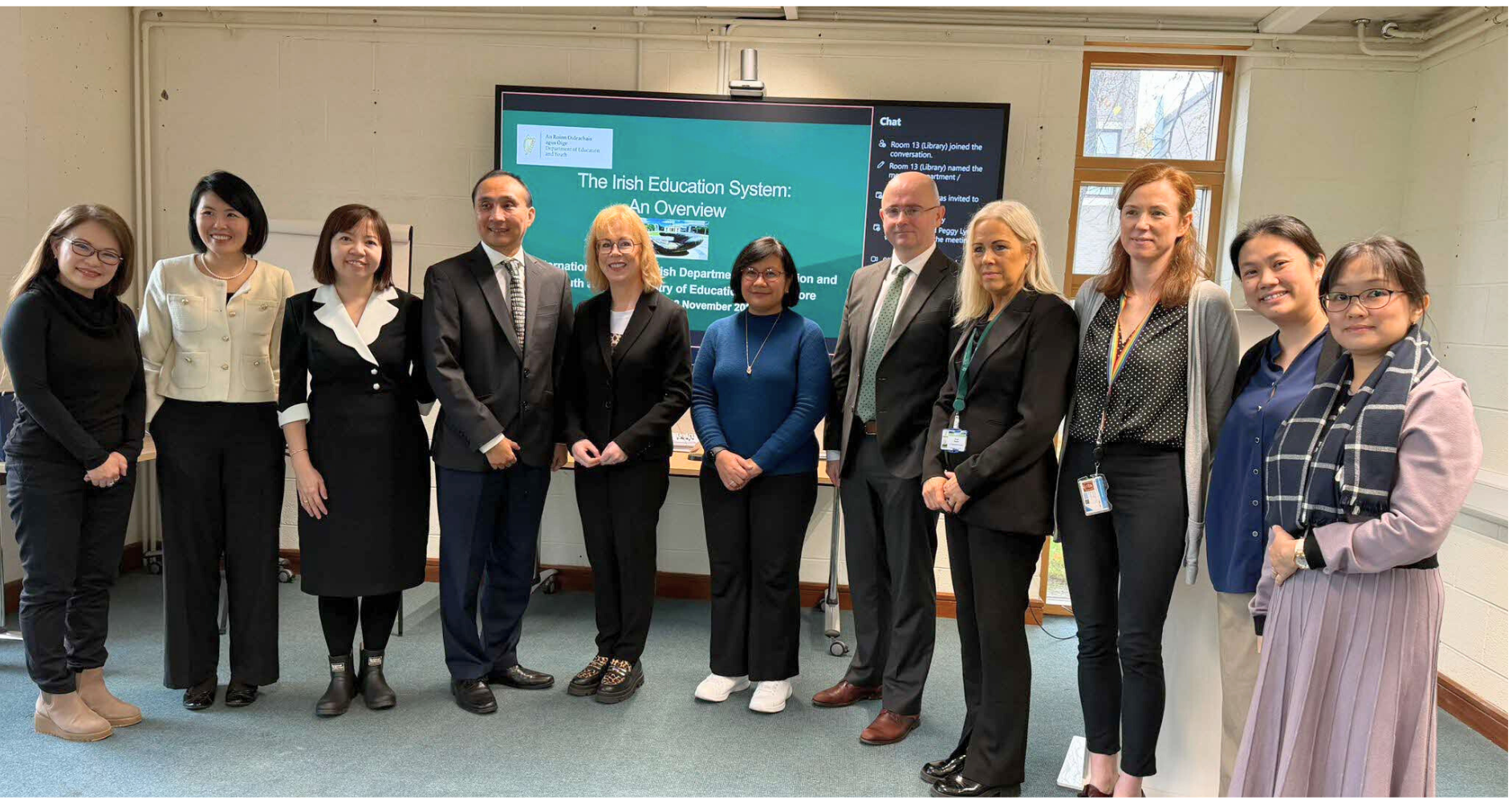 Singapore delegates with Ms Yvonne, Ireland’s Chief Inspector and Irish MOE representatives
Understanding Ireland’s education system
Ireland operates an 8-3-2 education structure: eight years of primary
education (including Junior and Senior Infant levels), followed by three
years of Junior cycle and two years of Senior cycle, culminating in the
Leaving Certificate examination. The delegation engaged with key Irish
education officials, including the Chief Inspector from the Department
of Education and Youth, and Directors from the National Council of Curriculum
and Assessment and Educational Research Centre Ireland.
Recent educational reforms in Ireland
The Irish curriculum reforms, currently in early implementation, centre
on preparing students for an increasingly complex world. Rather than emphasising
rote learning, the system prioritises developing critical thinking, problem-solving,
and self-assessment skills. Subjects like Climate Action & Sustainable
Development exemplify this approach through interdisciplinary, solutions-focused
projects that encourage students to understand knowledge interconnectedness.
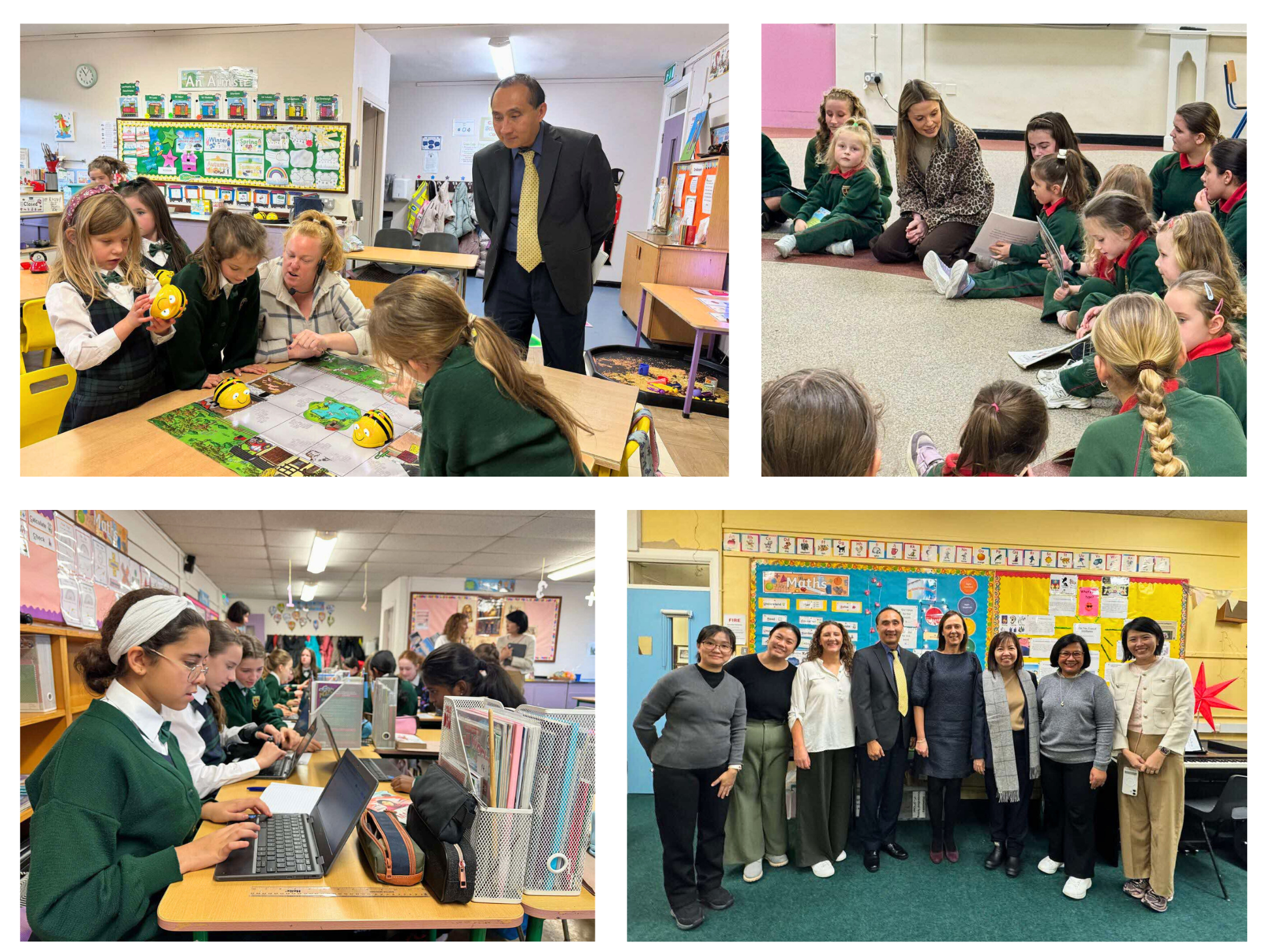 A visit to St Brigid Primary School – Ireland's first Human Values school
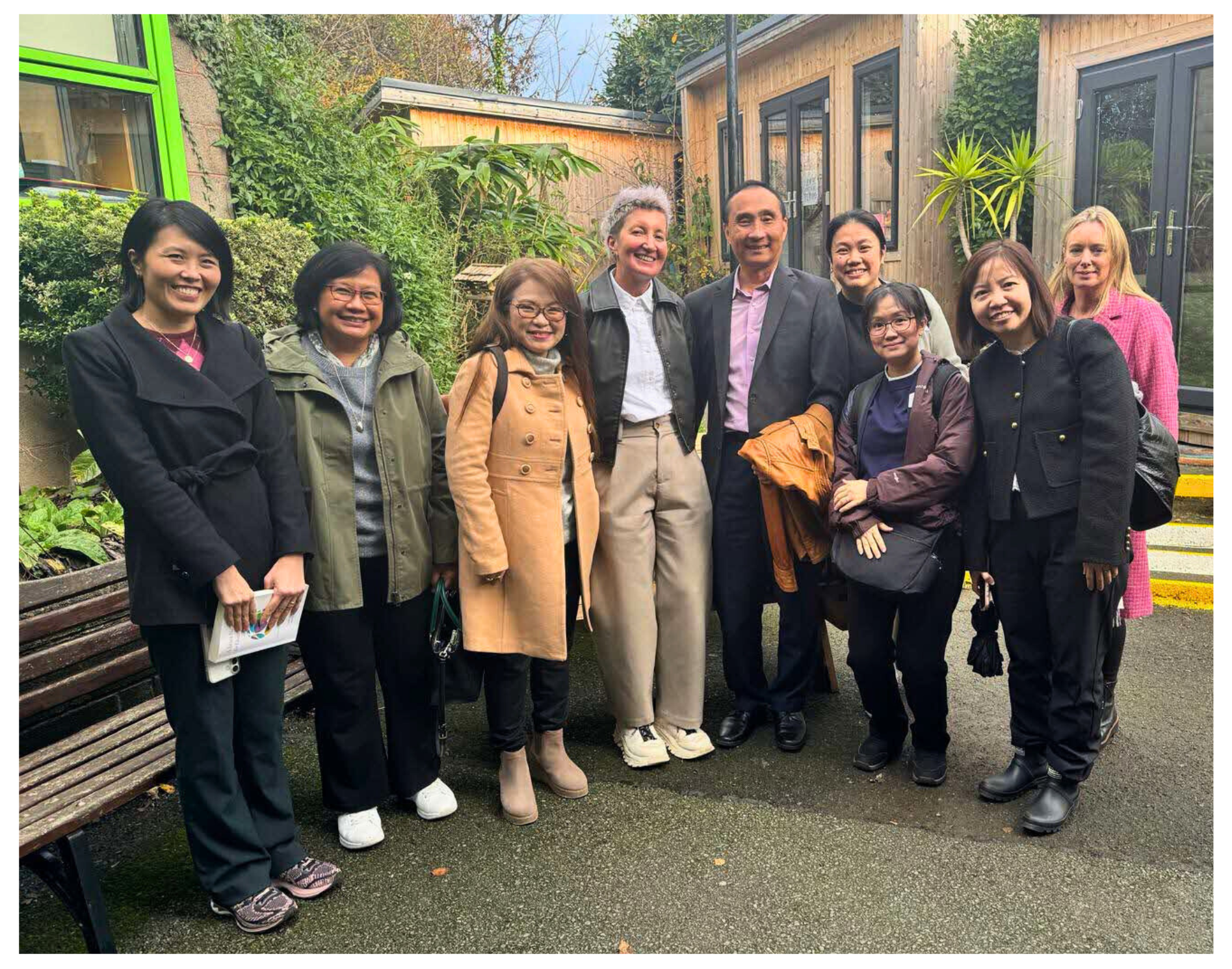 A visit to Dalkey School (Project National School) with its established Forest School and Sea School programmes, including weekly Forest Fridays for all pupils.
A standout feature is the optional Transition Year Programme, embraced by 75% of students. Schools enjoy autonomy in crafting unique curricula aligned with their communities' needs, creating examination-free environments that foster personal growth. Students engage in senior cycle taster modules, work experience placements, and document their learning through portfolios.
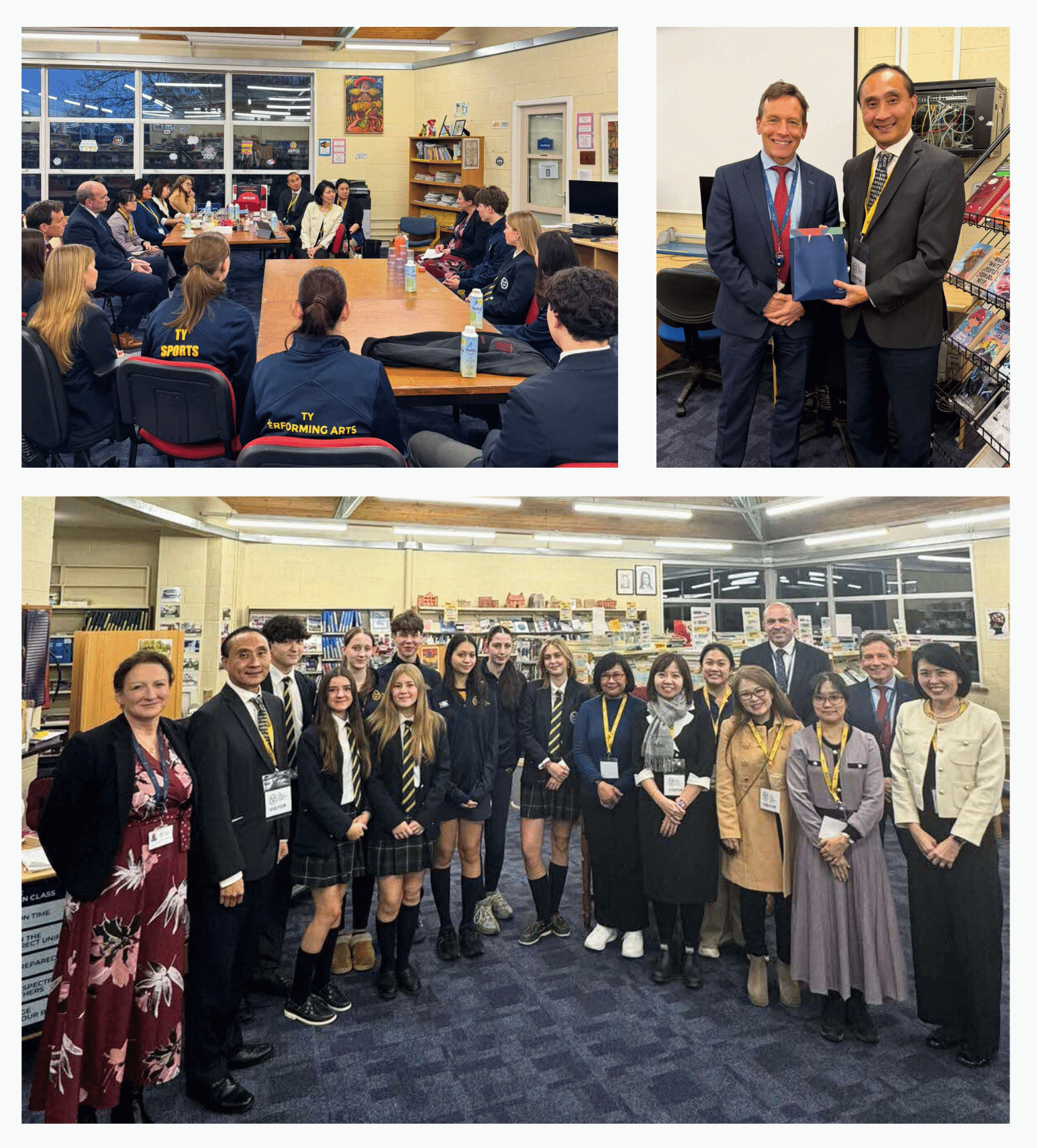 Students from King's Hospital School shared insights on their Transition Year Programme during focused discussions.
Balanced assessment approaches
Ireland's assessment reforms are equally noteworthy. The Junior Cycle
Profile of Achievement incorporates classroom-based assessments alongside
state examinations, with teachers using externally provided guidelines.
The upcoming Senior Cycle reform (2025-2029) will introduce additional
assessment components worth at least 40% of total marks. Comprising portfolios,
projects, and oral assessments, they are designed to assess a wider range
of skills whilst reducing reliance on high-stakes written examinations.
An affirmation of Singapore's direction
The study trip validated many of Singapore's curriculum initiatives, particularly
in well-being, values education, and 21st-century competencies development.
Ireland's integration of key competencies like metacognition into its curriculum
affirms Singapore's commitment to developing these skills through its comprehensive
curriculum approach.
This exchange underscores the value of international collaboration in education, providing insights that can inform Singapore's continued curriculum evolution.